Is Organic and Herbal Skincare Really Safe for Your Skin?
Organic and herbal skincare sounds gentle and “chemical-free,” but that does not automatically make it safe or right for every skin type. Natural ingredients can help the skin, but they can also irritate, burn, or even trigger allergies if used in the wrong way.
The “Natural = Always Safe” Myth
Many people are switching to organic and herbal products because of fear of “chemicals” and aggressive marketing around clean beauty. The problem is that natural substances can be just as powerful, and sometimes just as irritating, as synthetic ones, so they still need science, testing, and caution.
What Organic and Herbal Really Mean
“Organic” usually refers to how a plant was grown (for example, without certain pesticides), not whether the final cream is automatically safe for your face. “Herbal” or “botanical” simply means the ingredient comes from a plant, but it can still be highly active, sensitizing, or allergenic.
All skincare products, whether “natural” or not, are made of chemicals. What truly matters is concentration, purity, stability, and safety data. A synthetic ingredient with strong safety testing can be gentler than a random plant extract used in the wrong dose or form.
When Natural Ingredients Are Genuinely Helpful
Many plant-based ingredients can be very beneficial when well formulated. Aloe vera, green tea, chamomile, colloidal oatmeal, and certain plant oils can soothe irritation, support the skin barrier, and provide antioxidant protection. The key is that they are standardized, preserved correctly, and used in appropriate concentrations, not just thrown together in a DIY mix.
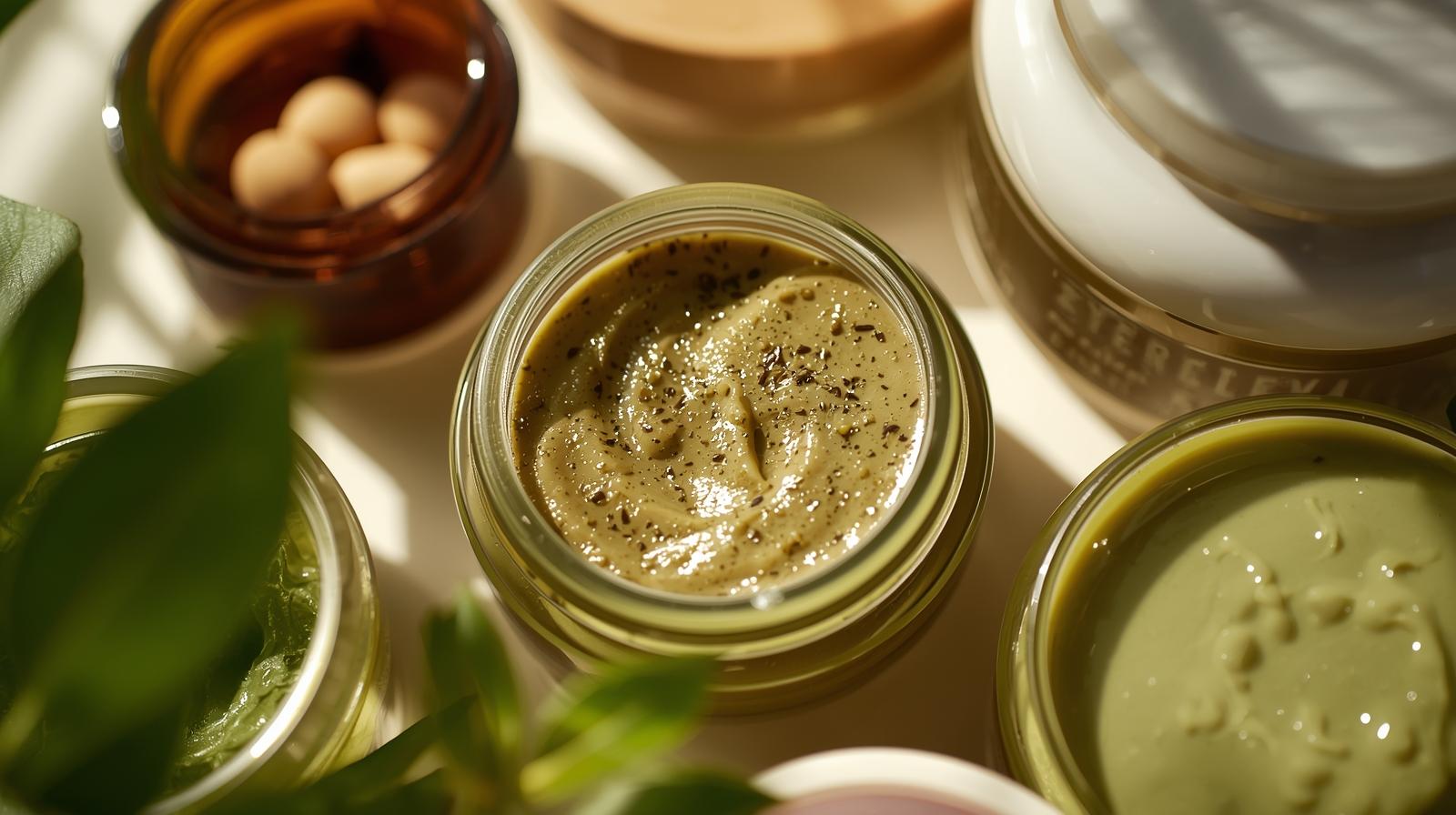
Dermatology-grade products that use botanical extracts usually combine them with stabilizers and evidence-based actives, and they’re tested for irritation and contamination. That balance of nature plus science is very different from untested homemade blends or anonymous “herbal” jars with no clear ingredient list.
How “Natural” Products Can Cause Real Problems
Natural products most often go wrong in three ways: irritation, true allergy, and photosensitivity. Essential oils and strong plant extracts can damage the skin barrier, trigger eczema, or make skin more sensitive to sunlight, leading to redness and pigmentation.
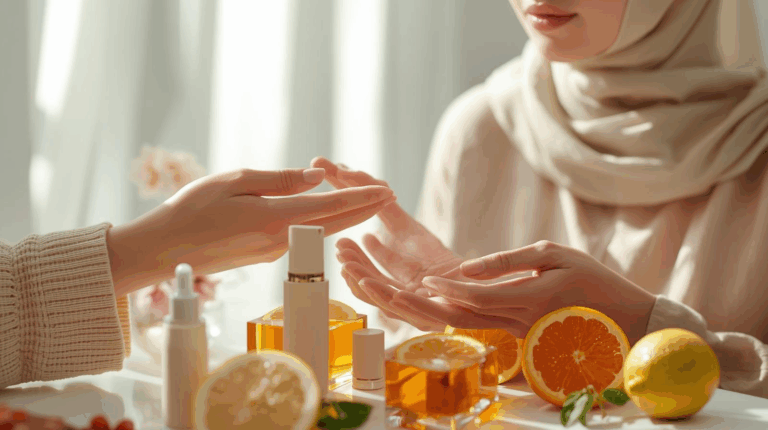
High-risk examples include undiluted essential oils (tea tree, peppermint, clove, cinnamon), strong citrus oils, and harsh DIY mixes like lemon juice or vinegar toners applied directly on the face. For acne-prone, rosacea-prone, or sensitive skin, these “natural” solutions often cause more flare-ups than calming.
Fragrance, Essential Oils, and Allergy
Natural fragrance is still fragrance. Many essential oils and botanical perfumes are among the top triggers of contact dermatitis and chronic irritation. Burning, stinging, redness, bumps, or skin that always feels tight after application are common warning signs.
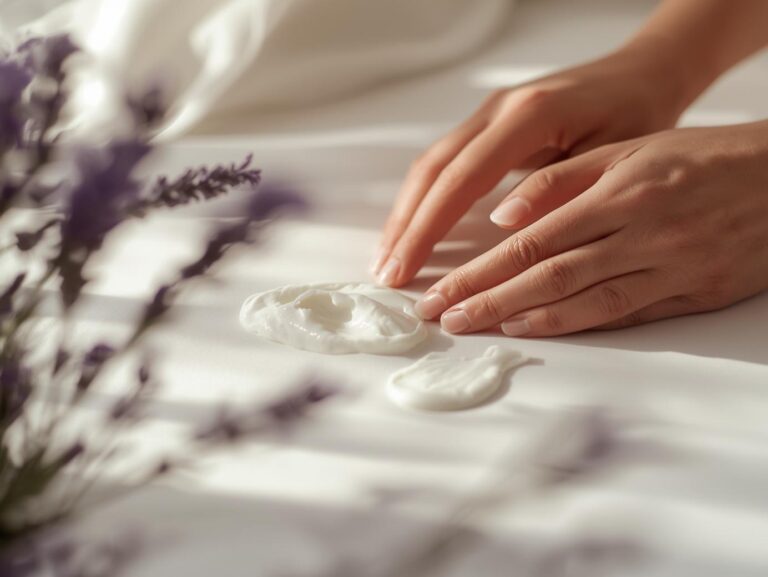
Just because something smells like lavender, rose, or citrus does not mean it is safe to have on your skin all day, especially in leave-on products like serums and creams. People with sensitive or reactive skin usually tolerate fragrance-free products, even if they contain some gentle synthetics, far better than heavily perfumed herbal creams.
The Risks of DIY and Home Remedies
Social media has popularized many home “hacks”: lemon or toothpaste for pimples, turmeric pastes, sugar or coffee scrubs, baking soda masks, and vinegar as toner. These can disrupt the skin’s pH, create micro-tears, and lead to dark marks and long-term sensitivity.
Facial skin, especially around the eyes, is much thinner and more delicate than body skin, so harsh kitchen ingredients that seem harmless on hands or feet can badly irritate the face. Dermatologists frequently see patients whose pigmentation or acne scars worsened after trying these natural experiments.
Quality Control and Contamination Issues
Another hidden problem with some organic or homemade products is contamination. Without proper preservatives, jars and droppers can easily grow bacteria, yeast, or mould, especially when fingers go in and out of the container. These microbes can cause rashes, infections, or flare-ups of existing skin conditions.
Loose herbal powders, oils, or creams sold without batch numbers, expiry dates, or full ingredient lists are especially risky. Even natural formulas need stability testing, hygienic manufacturing, and the right type and level of preservatives to be safe for repeated use.
Organic Label vs Dermatologist-Tested
For sensitive, acne-prone, or compromised skin, it often matters more that a product is dermatologist-tested, non-comedogenic, fragrance-free, and clinically evaluated than whether it is certified organic. A simple, well-formulated synthetic moisturizer can be safer than a heavily perfumed herbal cream with a long list of unknown extracts.
The best approach is to read the full ingredient list, understand common irritants for your skin type, and patch-test new products instead of trusting marketing terms like “clean,” “natural,” or “chemical-free.” Labels are advertising. Your skin’s reaction is the real feedback.
Special Situations: Pregnancy and Skin Diseases
People who are pregnant or dealing with chronic skin conditions (eczema, psoriasis, severe acne, melasma) often switch to herbal products assuming they are automatically safer. In reality, some essential oils and herbs are not recommended in pregnancy or breastfeeding, and many can aggravate already inflamed skin.
If the skin barrier is damaged or the immune system is already overactive, even mild plant ingredients can trigger big reactions. In these cases, professional guidance is especially important before adding any “natural” product or supplement.
How Dermatologists Look at Natural Products
Dermatologists do not automatically reject all organic or herbal skincare. They assess it like any other product. They look at the full ingredient list, known irritants or allergens, concentration of actives, skin type, and the patient’s history of reactions.
Often, a dermatologist will allow some gentle botanical products while removing those with high-risk essential oils, unknown blends, or steroid-containing “herbal” creams. Being honest about everything you’re using, including DIY masks and “desi totkay,” helps them protect your skin better.
Safer Ways to Include Organic and Herbal Skincare
You can still enjoy natural ingredients with a few precautions.
Introduce one new product at a time, and patch-test on a small area for a few days before using it all over the face.
Prefer brands that share full INCI (ingredient) lists, test for stability, and avoid heavy fragrance or undiluted essential oils.
If your skin is sensitive, reserve more potent botanicals for rinse-off products (like cleansers or wash-off masks) rather than strong leave-on serums.
If you notice burning, stinging, or new pigmentation after starting a “natural” product, stop it and check with a professional instead of pushing through because “it’s herbal so it must be fine.”
Red Flags to Avoid Completely
Certain things are especially unsafe and should be avoided.
Any “100% herbal” or “steroid-free” cream that gives dramatic overnight lightening or quick cure of eczema, melasma, or acne can hide illegal steroids or prescription drugs.
Products without labels, ingredients, expiry dates, or with secret “proprietary blends” that refuse to disclose what is inside.
Natural products that repeatedly cause burning, redness, or darkening but are still marketed as “mild for all skin types.”
These are signs that marketing is being valued more than your skin’s health.
Balanced Takeaway: Smart, Not Scared
The safest mindset is not “all chemicals are bad” or “all herbal products are safe,” but a balanced one. Every ingredient, natural or synthetic, should earn its place on your skin. Evidence, safety data, your skin’s response, and professional guidance are more important than any single word on the label.
Well-chosen botanical products can be a beautiful part of a routine, especially when combined with dermatologist-approved actives and daily sunscreen. If you’re struggling with persistent skin concerns or unsure about product safety, consulting with the best dermatologist in Islamabad can provide personalized guidance tailored to your specific skin type and needs. For those considering professional treatments like laser hair removal in Islamabad, expert evaluation ensures safe and effective results. Let science guide your choices, use nature wisely, and treat your skin with the same respect you give the rest of your health.