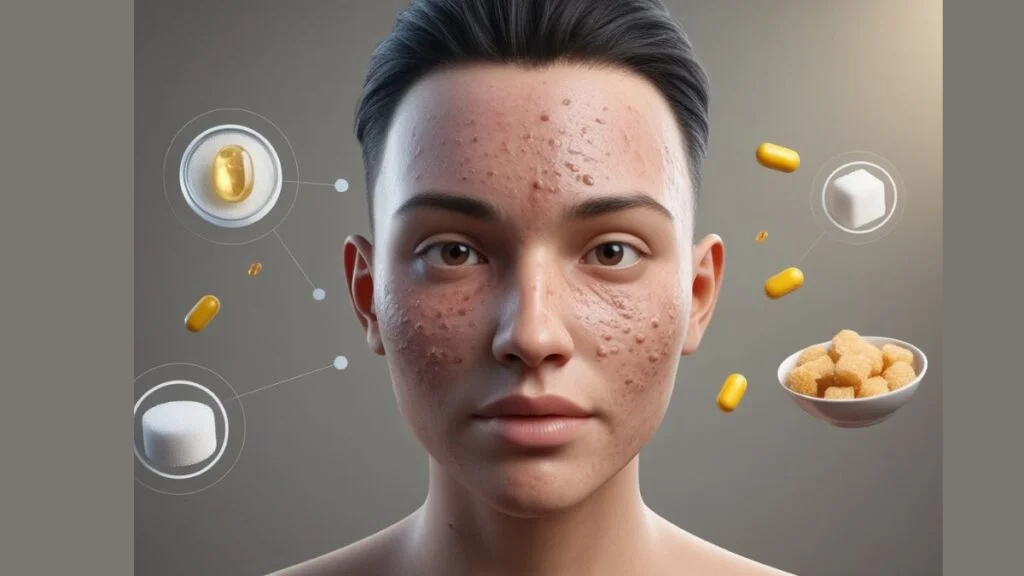
How Sugar and Snacks Are Quietly Sabotaging Your Skin
Sugar, snacks, and ultra-processed foods can quietly drive acne, oiliness, and dull, tired-looking skin by increasing inflammation, hormones, and oxidative stress. What you eat isn’t the only factor behind skin problems, but it’s one of the easiest levers you can start adjusting.
What Your Skin Says About Your Plate
Skin is often one of the first places where diet-related inflammation and hormonal shifts show up as breakouts, extra shine, or a “grey,” tired look. You don’t need a perfect, rigid diet to see improvement, but understanding how sugar and snack habits affect your skin can noticeably change how clear and bright it looks.
How Sugar Affects Your Skin From the Inside
High-sugar foods cause sharp spikes in blood sugar and insulin, which can also raise IGF-1 (insulin-like growth factor-1), a hormone linked to increased sebum production and acne in many people. Repeated spikes raise low-grade inflammation in the body, which can make existing pimples bigger, redder, and slower to heal.
Excess sugar also drives glycation, where sugar molecules bind to collagen and elastin, forming “advanced glycation end-products” that make these support proteins stiffer and weaker. Over time, that contributes to loss of firmness, fine lines, and a crepey texture, even if you’re still relatively young.
Snacks, Processed Foods, and Breakouts
Many quick snacks like chips, biscuits, pastries, sweet tea, bakery items, and soft drinks combine high sugar, refined white flour, and unhealthy fats in one hit. These ultra-processed foods are digested quickly, so they raise blood sugar fast and often, encouraging repeated insulin surges throughout the day.
For acne-prone or oily skin, that pattern is a problem: more insulin and more inflammation can mean more clogged pores and more frequent, inflamed breakouts, particularly around the cheeks and jawline. People who snack this way late at night often notice new pimples appearing within a few days or existing ones becoming more stubborn.
Dairy, Sugary Drinks, and Acne-Prone Skin
Sweetened dairy drinks like milkshakes, flavored milk, very sweet chai, and lassi loaded with sugar combine lactose, added sugar, and naturally occurring hormones from milk. In some acne-prone individuals, this combination may raise IGF-1 and hormonal signals that worsen breakouts, especially on the lower face.
Not everyone needs to cut dairy completely, and some tolerate plain yogurt or small amounts of milk quite well. But noticing patterns, for example, if your skin consistently flares after milkshakes or very sweet tea, can guide simple swaps like cutting sugar, switching to smaller servings, or spacing such drinks out.
Why Your Skin Looks Dull and “Tired”
A diet low in antioxidants and high in sugar and processed foods leaves your skin with fewer tools to fight oxidative stress from pollution, UV, and daily life. When you rarely eat fruits, vegetables, nuts, and seeds, your skin misses out on vitamins C and E, carotenoids, and polyphenols that help defend collagen and maintain glow.
At the same time, salty snacks and sugary drinks can dehydrate the body and disturb fluid balance, making the skin feel tight, look lackluster, and show fine lines more clearly. Many people also mistake thirst for hunger, reaching for more snacks instead of water, which prolongs the cycle of dullness and cravings.
Smart Swaps: What to Eat More Often
Small, realistic swaps are more sustainable than strict rules:
Nuts or roasted chickpeas instead of chips for crunch plus healthy fats and protein.
A piece of fruit or dates instead of pastries to satisfy sweetness with fiber and micronutrients.
Dark chocolate (with higher cocoa content and less sugar) instead of regular milk chocolate for a more antioxidant-rich treat.
Water, sparkling water, or infused water with lemon or cucumber instead of soft drinks or multiple sweet juices.
Nutrients particularly friendly to skin include omega-3 fats (from fish, walnuts, chia), vitamin C (from citrus, guava, amla, peppers), zinc (from meat, lentils, seeds), and a variety of colorful vegetables. These support collagen, calm inflammation, and help repair daily damage.
Building a “Skin-Friendly” Daily Eating Pattern
Think in terms of patterns, not single meals. A simple skin-supportive day might look like:
Breakfast with protein and fiber (eggs with whole grain roti, yogurt with fruit and nuts, or lentils with salad) to stabilize blood sugar early.
One or two sensible snacks like nuts, fruit, or yogurt instead of multiple rounds of biscuits or sugary tea.
Balanced main meals with some protein (meat, fish, lentils), healthy fats (olive oil, nuts), and complex carbs (brown rice, whole grains, vegetables) rather than only white rice or bread.
Regular meals reduce wild sugar swings that drive intense cravings and late-night binge-snacking, which your skin often “remembers” in the form of new breakouts a few days later.
What Diet Can and Cannot Do for Acne
Diet is one important trigger, but it’s not the only one. Genetics, hormones, skincare products, medications, stress, and sleep all play roles in acne and overall skin quality. For many people, improving diet leads to fewer, less inflamed breakouts, faster healing of marks, and a more even tone, but it rarely cures moderate to severe acne on its own.
You may still need a consistent, non-comedogenic skincare routine, and in some cases prescription creams, tablets, or in-clinic treatments to fully control acne and prevent scarring. Think of diet changes as a strong support pillar that makes medical treatment work better and results last longer. If you’re looking for professional guidance, consulting the best dermatologist in Islamabad can help you create a comprehensive treatment plan that combines dietary improvements with medical care.
When to See a Dermatologist or Doctor
Healthy eating is important, but certain signs mean you shouldn’t rely on diet alone:
Persistent, painful acne, nodules, or cysts that leave marks or scars despite cleaning up sugar and snack habits.
Sudden or severe breakouts in your 20s or 30s that feel out of proportion to your routine.
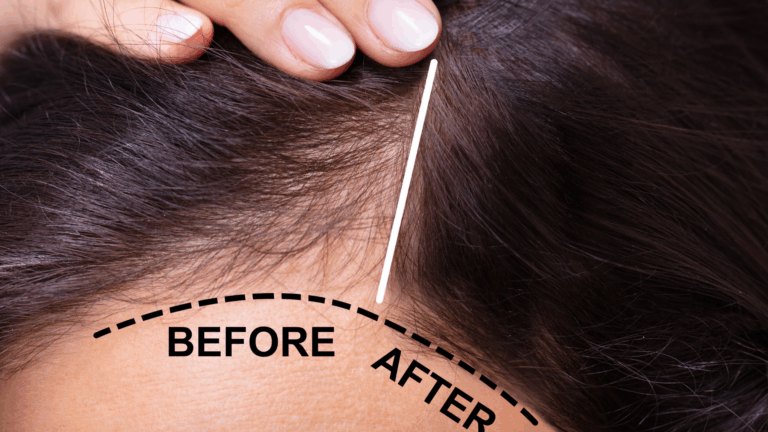
Significant, unexplained weight changes, severe fatigue, irregular periods, or hair thinning along with skin issues, which may signal hormonal or metabolic problems.
In these cases, a dermatologist and sometimes an endocrinologist or general physician should evaluate you for conditions like PCOS, thyroid disorders, or insulin resistance, and combine dietary advice with medical treatment. Professional dermatology care can also address other skin concerns, from acne scarring to cosmetic treatments like laser hair removal in Islamabad, ensuring you get comprehensive care for all your skin health needs.
Final Thoughts: Small Changes, Real Glow
You don’t need a strict or perfectionist diet to help your skin; even modest, consistent changes to sugar and snack habits can noticeably improve clarity and glow over a few weeks. Replacing some ultra-processed snacks with whole foods, cutting back on sugary drinks, and eating more colorful, nutrient-rich meals are simple steps that your skin will show back to you.
If you suspect your food is affecting your breakouts, try tracking what you eat and your skin’s behavior for 3-4 weeks and adjust gradually rather than all at once. And if acne or dullness persists despite your efforts, pairing those lifestyle changes with personalized advice and treatment from a qualified dermatologist is often the fastest and safest way to get your skin and confidence back on track.