From Filters to Real Skin: The 2026 Beauty Revolution
From filters to real skin, 2026 is all about healthy, expressive, “lived-in” faces instead of plastic-perfect, poreless ones. The new beauty goal is skin that works well, feels comfortable, and still looks like you, on camera and in real life.
Why the “Perfect Face” Trend is Fading
For years, ultra-smooth filters and over-edited photos promoted an almost cartoon-like ideal: no pores, no lines, no texture. This pushed many people toward harsh skincare, frequent peels, aggressive “anti-aging” routines, and heavy makeup to chase that impossible standard. The result for a lot of skin was sensitivity, redness, breakouts, and a damaged barrier rather than true glow.
In 2026, there is visible fatigue with this pressure. More creators and patients are intentionally posting unfiltered selfies, showing acne, pores, and under-eye circles, and openly discussing what treatments and products they use. This honesty is making “healthy, real skin” feel more aspirational than the old, frozen, airbrushed look.
What “Healthy, Lived-In Skin” Actually Means
Healthy, lived-in skin does not mean flawless or wrinkle-free. It means skin that functions well and reflects your real life.
A functioning barrier: Skin that feels comfortable most days, not constantly burning, peeling, or itching. A strong barrier holds moisture, keeps irritants out, and reacts less dramatically to weather and products.
Natural texture: Visible pores, faint lines, a little creasing when you smile or frown. All normal signs of human skin, not defects to scrub off.
Realistic tone: A bit of redness, freckles, or mild pigmentation are seen as part of your face’s story, not something that must be bleached away at any cost.
The core question shifts from “How can I erase every sign of age and texture?” to “How can my skin work better, feel calmer, and age well over time?”
How This Shift is Changing Skincare Routines
This trend is reshaping how people build their routines.
Fewer, gentler products: Instead of 10-12 steps, many are moving to 3-5 well-chosen steps that focus on cleansing, hydration, barrier repair, and sun protection.
Barrier-first thinking: Ceramides, niacinamide, glycerin, and other barrier-supporting ingredients are now center stage, while daily strong peels and harsh scrubs are losing popularity.
Smarter actives, not stronger: Retinoids, acids, and vitamin C are still used, but at tolerable strengths and with “rest days” built in (skin cycling) to avoid chronic irritation.
People are more willing to stop a product that stings or burns, instead of pushing through because “irritation means it’s working.” That’s an older mindset that often wrecked sensitive and darker skin types.
Modern “Real Skin” Routine Basics
A routine that matches this 2026 mindset often looks like this:
Morning: Gentle cleanse or rinse, hydrating/antioxidant serum, moisturizer, broad-spectrum SPF.
Night: Gentle cleanse (double if wearing makeup/SPF), one targeted active (on some nights), barrier-repair moisturizer.
The focus is stability and comfort, not constantly testing new acids or trendy DIY hacks.
How In-Clinic Treatments and Injectables are Evolving
The move toward real, lived-in skin is also changing what patients ask for in clinics.
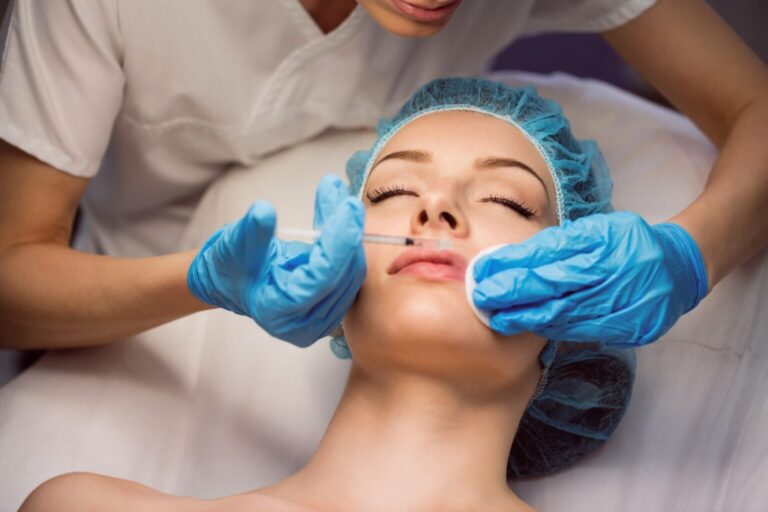
Subtle, undetectable tweaks: Patients request softening of lines, not a frozen forehead. Contour and lift without looking “done.” Improvement in acne scars and pigmentation while preserving their natural features.
Combination of lifestyle, skincare, and procedures: Rather than using treatments as one-off quick fixes, more people expect guidance about sleep, stress, diet, and home routines alongside procedures like lasers, microneedling, PRP, or injectables.
Caution with overfilling and over-smoothing: Patients are increasingly wary of the “same face” effect on social media. Identical lips, cheeks, and noses. They ask specifically to still look like themselves after treatment.
Dermatologists and aesthetic doctors are responding by favoring conservative dosing, staggered sessions, and long-term treatment plans that keep results natural. If you’re looking for expert guidance on treatments that enhance rather than alter your natural features, consulting the best dermatologist in Islamabad can help you navigate options that align with this healthier approach to skincare.
How to Get “Real Skin” Results in Your Own Routine
If you want to align with this 2026 shift from filters to real skin, focus on these key areas.
Gentle, consistent basics: Use a non-stripping cleanser, moisturizer suited to your skin type, and sunscreen every morning. Add only one or two targeted actives (like a retinoid at night or vitamin C/niacinamide in the morning) instead of layering many at once.
Protecting your barrier: Avoid chasing every new trend, especially stacking multiple acids or peeling too often. Look for barrier-friendly formulas with ceramides, panthenol, beta-glucan, squalane, and hyaluronic acid when your skin feels tight, reactive, or “angry.”
Setting realistic goals: Aim for smoother, brighter, more comfortable skin, not total erasure of pores, freckles, or expression lines. Understand that some texture and movement will always remain, even with excellent skincare and procedures. That is a sign of a real, expressive face.
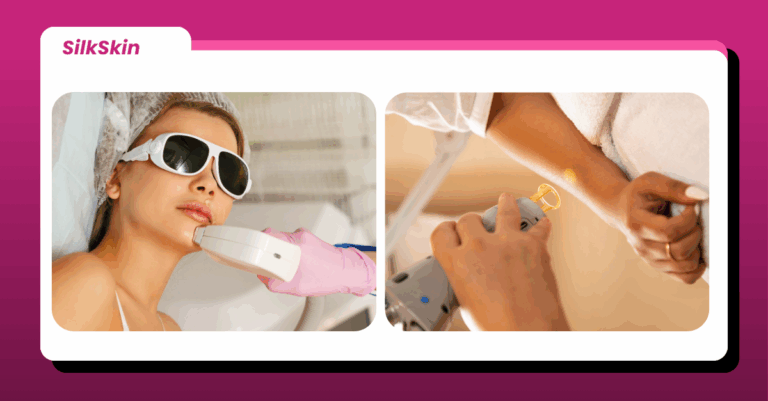
Choosing conservative procedures if you opt for them: If you decide on lasers, peels, fillers, or Botox, ask for subtle, staged changes and choose a practitioner who respects your natural proportions and expressions. For those considering professional treatments like laser hair removal in Islamabad, selecting a clinic that prioritizes natural-looking results over aggressive intervention is essential.
Avoid clinics that promise identical “after” faces or overly filter their results. Look for realistic, varied before-after photos and honest discussions of limits and risks.
Final Thoughts: Letting Your Skin Be Yours Again
The 2026 move from filters to real skin is ultimately about reclaiming your face from unrealistic digital standards. Healthy, lived-in skin still shows your age, emotions, and experiences, just in the best way your biology allows.
By protecting your barrier, keeping routines simple but smart, and choosing subtle over extreme when it comes to treatments, your skin can age, move, and express emotion while still looking cared for, balanced, and genuinely yours.