
How AI Is Transforming Dermatology Treatment Plans in 2026
AI has quietly entered the skin clinic. Patients upload photos, fill out smart forms, and sometimes receive a draft plan before they even sit in front of the doctor. Behind the scenes, algorithms analyze patterns in thousands of cases, helping dermatologists design safer, more personalized treatment plans that go far beyond “one-size-fits-all.”
What Does “Data” Really Mean in Modern Dermatology?
In dermatology, “data” is much more than a few phone pictures. It’s a whole ecosystem of information that can shape your treatment plan.
This includes clinical images of acne, pigmentation, moles, rashes, and scars. Dermoscopy images provide magnified, polarized views of moles and lesions. Your treatment history matters too, which creams, tablets, or procedures worked and which didn’t.
Factors like skin type, age, hormonal status, lifestyle, and medical history all play a role. Follow-up photos and outcome scores tracked over months and years complete the picture.
All of this can be anonymized and used to train AI models to recognize patterns humans might miss. These include subtle color shifts, micro-texture changes, or combinations of features that predict how a patient will respond to a specific treatment approach.
The bigger and more diverse the dataset (including different ages, genders, and skin tones), the more reliable the AI becomes for real patients, not just textbook cases.
AI as a Diagnostic Assistant in Dermatology
One of the strongest uses of AI in dermatology right now is as a second set of eyes, not a robot doctor. Image analysis tools can flag moles that might be suspicious and need a closer look. They help differentiate rashes or lesion types based on visual patterns. They also assist with triage in busy systems by highlighting high-risk images first.
But AI works with probabilities, not certainties. It might say, “This mole looks 85% similar to melanomas in my training set,” but it cannot feel or palpate, take a full history, or integrate subtle context like medication use, immune status, or a patient’s past cancers.
The Dermatologist’s Essential Role
The dermatologist still confirms (or corrects) the diagnosis. They decide which tests or biopsies are needed. They interpret results in the context of the whole person.
AI helps the doctor spot more needles in the haystack, but it’s not allowed to swing the scalpel.
Personalizing Treatment Plans with AI Technology
Traditional treatment plans often start with guidelines and then adjust through trial and error. AI is shifting this towards data-driven personalization from day one.
By comparing a new patient to thousands of similar cases, algorithms can help answer important questions. For this type of acne, in this age range, with this skin type and hormone profile, which combination of topicals and tablets worked best in real life?
For this pattern of psoriasis or eczema, which therapy had the highest chance of long-term control with the fewest side effects? For this type of melasma or post-inflammatory pigmentation, which combination of procedures and home care led to the safest, most stable results?
How AI Supports Better Treatment Decisions
The AI does not “choose” your treatment. Instead, it offers evidence-based suggestions and likely success probabilities, helping the dermatologist reduce unnecessary trial and error. It helps set more realistic timelines and expectations. It picks options better suited to your specific profile and skin tone.
AI in Laser and Aesthetic Dermatology Procedures
Aesthetic dermatology is also being reshaped by data. In the past, decisions about laser energy, number of passes, and session spacing relied heavily on individual experience.
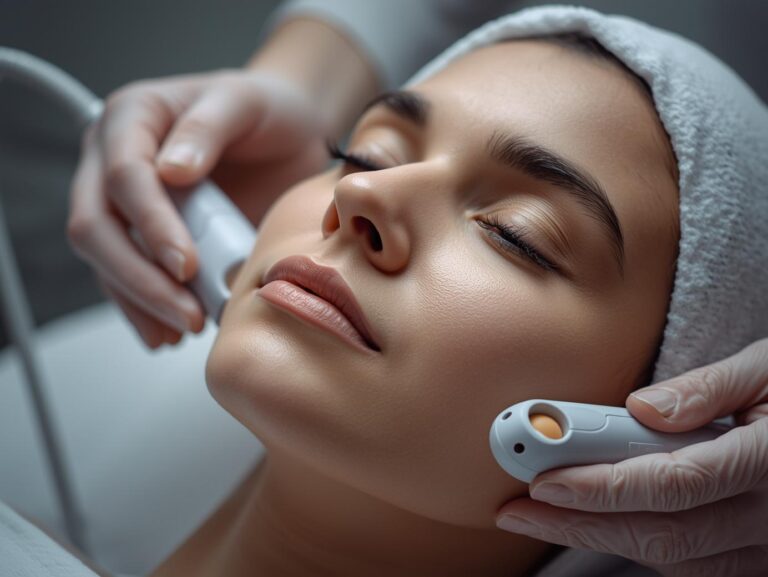
Now, AI-supported imaging can map pigmentation, redness and vascular patterns in fine detail. It measures scar depth, distribution, and texture changes over time. It analyzes how similar skin types responded to specific laser settings or combinations.
Benefits for Different Skin Types and Conditions
This is especially valuable for darker skin tones, where the risk of hyperpigmentation and burns is higher. It helps with complex acne scars that need a tailored mix of lasers, microneedling, RF, and fillers. It’s crucial for redness and vessel-based conditions, where overtreatment can cause rebound issues.
The result is more precision planning. Better starting settings. Safer adjustments between sessions. Fewer surprises and fewer complications.
Real-Time Monitoring and Treatment Adjustments
Another powerful shift is in objective monitoring. Instead of relying only on memory and selfies, clinics can use AI to compare before and after photos with standardized lighting and angles.
The system can automatically count lesions (for acne), measure redness, or grade pigmentation. It plots improvement curves over time and flags plateaus.
When the data shows that progress has slowed or stopped, the system can prompt the dermatologist to adjust the treatment earlier. They can switch or layer therapies more strategically. They can address adherence issues, for example, if patterns suggest the routine isn’t being followed consistently.
For patients, this means fewer months wasted on plans that aren’t working and more clarity about what is actually changing.
Key Benefits of AI-Assisted Dermatology Treatment
When used well, AI offers several practical benefits for patients seeking the best skin care outcomes.
More Personalized Care
Your plan is informed by patterns drawn from thousands of similar cases, not just generic guidelines. This personalization means treatments are tailored to your unique skin concerns, type, and goals.
Better Safety and Monitoring
Subtle early signs of side effects or poor response can be picked up sooner, especially when combined with regular imaging. This proactive approach reduces risks and improves outcomes.
Greater Efficiency in Treatment
Pre-visit digital questionnaires and photo uploads can streamline appointments, while smarter planning reduces the number of wasted visits. You get results faster with fewer unnecessary sessions.
Clearer Communication and Progress Tracking
Data and visuals (graphs, comparative photos, improvement percentages) help you see your progress, not just “feel” it. This transparency builds trust and helps you stay committed to your treatment plan.
Understanding the Limits and Ethics of AI in Dermatology
Despite the buzz, AI has real limits and risks that good clinics will acknowledge openly.
Bias in Training Data
If a system has seen mostly fair-skinned patients, it may struggle with darker skin tones. Under-representation can lead to missed diagnoses or inappropriate suggestions.
Privacy and Security Concerns
Skin photos and health data are sensitive. They need secure storage, careful anonymization where possible, and clear consent about how they’re used.
The Importance of Human Judgment
AI cannot replace a physical exam, a full history, or the nuanced human judgment needed when conditions overlap, symptoms are vague, or mental health is involved.
Regulation and Transparency
Not all tools are equally tested or regulated. Patients deserve to know what technologies are being used, whether they are medically approved, and how their data is protected.
The safest model will always be: AI as support, dermatologist as decision-maker.
What to Expect During an AI-Assisted Dermatology Visit
Here’s how a future-ready, AI-enhanced visit might feel from your perspective.
Before Your Appointment
You fill out a secure online questionnaire about your concerns, medical history, and lifestyle. You upload clear photos following simple instructions (angles, lighting, no makeup).
During In-Clinic Imaging
The nurse or doctor takes standardized high-resolution images, sometimes under special lighting (for pigmentation, redness, pores, etc.). The system analyzes these and generates a report with pattern recognition and severity scores.
The Consultation Process
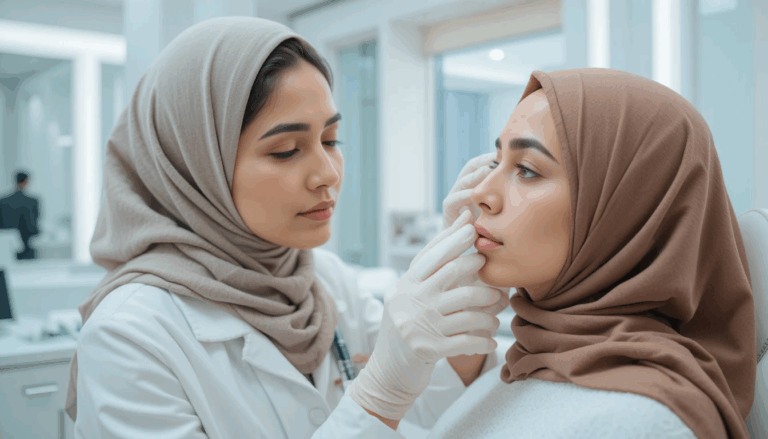
The dermatologist reviews the AI report alongside your story and your goals. AI suggests likely effective options based on similar cases. The dermatologist accepts, adapts, or rejects these suggestions based on their clinical expertise.
Your Treatment Plan and Follow-Up
You leave with a clear treatment roadmap and, often, access to an app or portal. You can track your routine, upload follow-up photos, and receive reminders. At review visits, side-by-side images and objective scores show how your skin is changing.
Throughout this process, you remain a person, not just a data point. The human conversation is still central.
Important Questions to Ask Your Dermatologist About AI
If you’re curious about whether a clinic uses AI or how it affects your care, you can ask:
- “Do you use any digital tools or AI to help plan or track treatments?”
- “How is my data stored, and who has access to my photos?”
- “Are these tools medically validated or regulated?”
- “How do you balance AI suggestions with your own clinical judgment?”
Clear answers should make you feel informed and empowered, not confused or pressured.
Finding the Right Balance: AI Technology and Human Expertise
AI isn’t here to replace your dermatologist. It’s here to upgrade their toolkit. Algorithms are excellent at spotting patterns in huge volumes of data. Dermatologists are irreplaceable when it comes to listening, examining, understanding context, and guiding you through decisions with empathy.
The strongest treatment plans in 2026 and beyond will come from combining both. Data and algorithms to inform. Human expertise and values to decide.
Choosing Advanced Dermatology Care in Islamabad
If you’re considering a new skin journey, working with the best dermatologist in Islamabad means finding someone who uses technology to personalize and safely optimize your results. Whether you’re exploring advanced treatments like laser hair removal in Islamabad or seeking comprehensive skin care solutions, the right clinic will never forget that there’s a real person behind every photo and data point.
Technology empowers better care, but human expertise guides the way. Look for a dermatology clinic that combines cutting-edge AI tools with compassionate, personalized attention to help you achieve your skin goals safely and effectively.