Fillers, Filters, or Fixing Your Barrier: What Actually Works?
In 2026, it has never been easier to “change” your face. A tap to add a filter, a visit for fillers, a haul of new serums promising glass skin. Yet more people than ever feel disconnected from how their real skin looks and increasingly show up to dermatology clinics with irritated, exhausted faces rather than truly “glowing” ones.
The real question is no longer “What’s trending?” but “What actually works, safely and long term, for my skin?”
This article breaks down the three big F-words of modern beauty: filters, fillers, and your skin barrier. You’ll understand what each can and cannot do, and where to focus your time and money for results that hold up both online and in real life.
What We’re Really Chasing: Smooth, Even, “Fresh” Skin
Most patients who walk into a clinic or scroll skincare content are chasing a similar outcome. They want smoother texture, fewer visible lines, smaller-looking pores, more even tone, and a fresher, less tired look.
The problem is that different tools work on completely different layers of the problem:
Filters alter your image. Pixels, not tissue.
Fillers alter structure. Volume and contour, not skin quality.
Barrier-focused skincare alters function. How well your skin holds water, defends itself, and reflects light.
When you confuse these layers, you end up disappointed. You might use more filler for what is really a barrier issue, or more filters when your real skin simply needs repair and realistic expectations.
Filters: Instant Perfection with a Psychological Cost
Filters are the fastest “treatment” of all. In seconds, they can blur pores and fine lines, even out redness and pigmentation, enlarge eyes, slim the face, lift brows, and plump lips.
Used occasionally and consciously, filters can be harmless fun and a creative tool. But problems begin when you feel unable to post or video call without a filter, when you only like your filtered selfies and dislike your real reflection, or when you take filtered photos to a clinic and ask to “look like this.”
This gap between digital self and real self contributes to “Zoom/Instagram dysmorphia.” It’s a growing phenomenon where people become distressed that their face doesn’t match its heavily edited, app-modified version.
Filters change your perception, not your skin. They should never be the reference point for medical or aesthetic decisions.
Fillers: Powerful Tools with Clear Limits
Dermal fillers, most commonly made of hyaluronic acid, are injectable gels used to restore or add volume. In expert hands, they can reinflate areas that lose volume with age like cheeks, temples, and under-eye hollows in selected cases. They can soften folds such as nasolabial and marionette lines. They can also enhance contour in areas like lips, chin, and jawline while supporting sagging tissue.
They work below the skin, not on the skin surface. This means fillers are excellent for reversing a “sunken” or deflated look, correcting some asymmetries, and creating subtle lifting and shaping when anatomy allows.
However, fillers do not repair a damaged barrier or chronic redness. They don’t treat pigmentation or melasma. They can’t fix acne scars in isolation, though they sometimes support scar-focused treatments. They also don’t improve roughness, dehydration, or sensitivity.
Over-relying on fillers to solve texture or barrier issues leads to an all-too-common outcome. You get smoother contours on top of irritated, unhealthy skin. Add to that the risks of overfilling, product migration, and the increasingly recognizable “same face” aesthetic, and you see why more patients are now asking for natural, subtle work only.
Your Skin Barrier: The “Boring” Foundation That Changes Everything
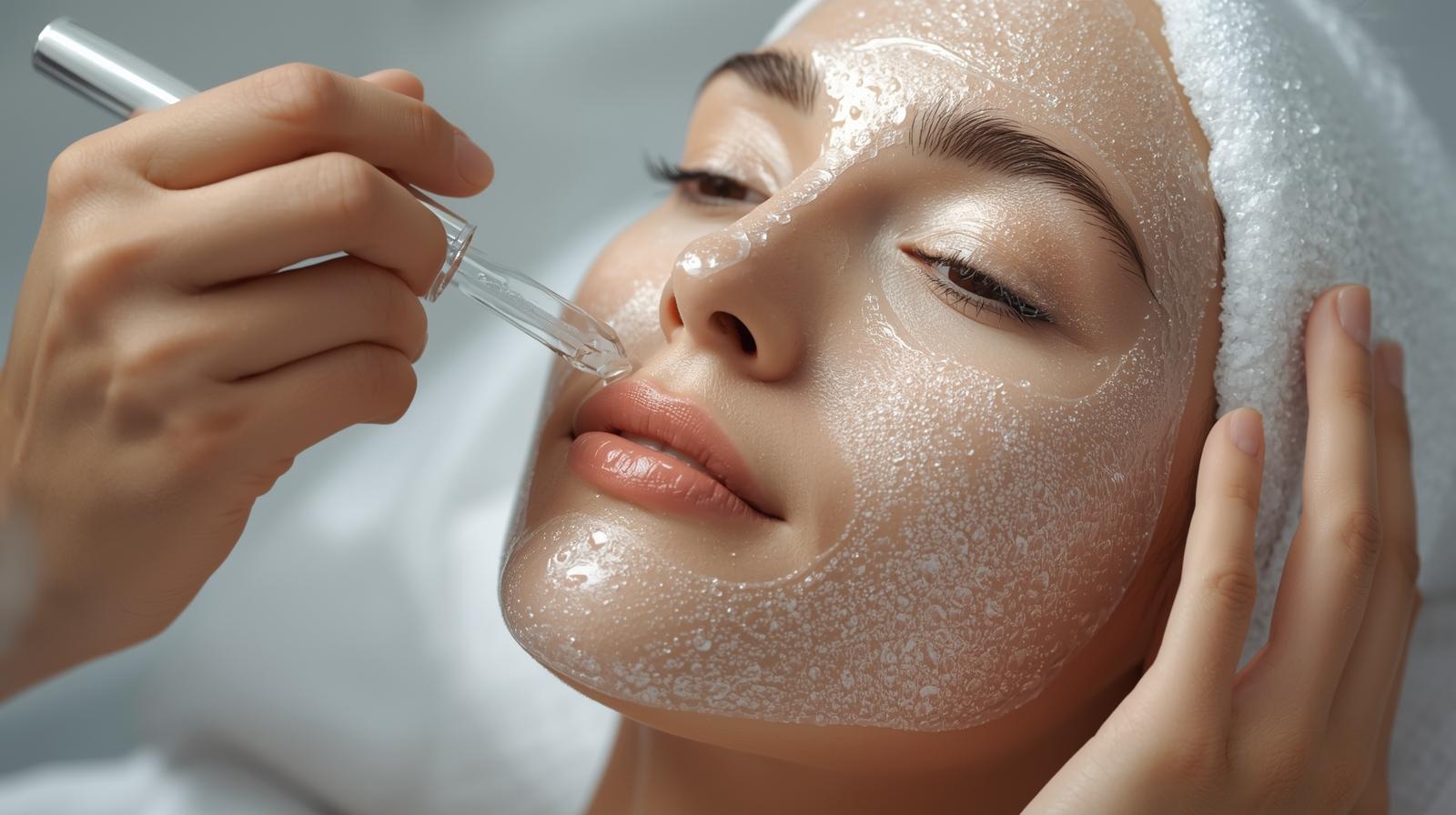
Your skin barrier is the outermost layer of the epidermis. It’s your biological shield. It locks water in and keeps irritants, pollutants, and microbes out.
A well-functioning barrier makes skin look smoother and more reflective, giving you that natural glow. It reduces redness, stinging, and random sensitivity. It helps actives like retinoids or vitamin C work better with less irritation. It also recovers faster from procedures like peels and lasers.
Signs your barrier is struggling include constant tightness, burning or stinging with basic products. You might notice flaking, rough patches, and makeup clinging to dry areas. New or worsening redness and “angry” skin are red flags. So are breakouts in new zones after adding multiple strong products.
Unlike filters or fillers, barrier repair works on both feel and function. When you strengthen the barrier, you often notice fewer flare-ups, better tolerance to your retinoid or acids, and an overall healthier, more “alive” look, even on no-makeup days.
It won’t naturally replace lost cheek volume or erase deep folds. That’s not its job. But it makes every other intervention safer and more effective.
Filters vs Fillers vs Barrier Repair: Key Differences
You can think of these three as working in different “zones”:
Filters (Apps)
- Layer they affect: Digital image only
- Speed of results: Instant, but vanish with the app
- Best for: Social media appearance, fun edits
- Cannot fix: Real-life skin issues
- Main risks: Body image distortion, unrealistic expectations
- Long-term value: None for real skin
Fillers (Injectables)
- Layer they affect: Deep tissue / volume
- Speed of results: Days to weeks, last months to 1-2 years
- Best for: Volume loss, contours, certain shadows
- Cannot fix: Barrier damage, pigment, true texture problems
- Main risks: Medical risks, unnatural look if overdone
- Long-term value: High when judicious and appropriate
Barrier Repair (Skincare & Habits)
- Layer they affect: Outer skin function & health
- Speed of results: Weeks to noticeable change, months for full benefits
- Best for: Texture, glow, sensitivity, comfort
- Cannot fix: Significant volume loss, deep folds, severe laxity
- Main risks: Irritation if misused (but lowest risk when done gently)
- Long-term value: Very high – foundation for every other treatment
Sources on barrier function and damage emphasize that a compromised barrier underlies many “mystery” sensitivity and breakout issues. Repairing it is a central strategy in modern dermatology and aesthetics.
When Fillers Genuinely Make Sense
Used selectively, fillers can be transformative in the right indications. These include true age-related volume loss in midface and temples, deep nasolabial or marionette folds driven by structural change (not only surface dryness), and subtle contouring of jawline, chin, or lips to restore harmony, not create a new face.
Good candidates usually already have reasonably healthy skin or are willing to work on their barrier first. They have realistic expectations like “I want to look less tired,” not “I want a completely different face.” They’re comfortable with gradual, staged changes instead of aggressive “one session makeovers.”
Crucially, medical societies stress that filler should be performed by trained professionals who understand anatomy, complications, and the specific nuances of different skin types. Filler is a scalpel, not a selfie filter.
When Filters Are a Red Flag, Not a Solution
There’s nothing wrong with using filters for fun, but they become a warning sign when you avoid real-life events or calls because you can’t control how you look. If you constantly compare your natural face to its filtered version or bring heavily edited selfies to consultations as your “goal,” it’s time to reconsider.
Mental health and dermatology increasingly intersect. Clinicians note rising distress linked to unrealistic digital beauty standards and edited skin content. If you notice your mood and confidence dropping as filter use rises, that’s a sign to step back, not double down.
A practical “filter detox” approach can include gradually using softer filters or none in private photos. Keep unfiltered photos just for yourself to normalize your real face. Discuss body image concerns with a mental health professional if they feel overwhelming.
How to Actually “Fix” Your Barrier
Modern skincare trends are major drivers of barrier burnout. Frequent peels, layering multiple strong acids, and constant product-hopping damage your skin’s natural defense. A reset plan usually includes four steps:
Step 1: Stop Overdoing It
For at least 2-4 weeks, pause or sharply reduce daily exfoliating toners and high-strength acid serums. Cut back on retinoids used more often than your skin can tolerate. Stop using scrubs and cleansing brushes. Avoid strong “purifying” foaming cleansers that leave skin squeaky-tight.
Step 2: Switch to Gentle Basics
Base your routine on a low-foam, pH-balanced cleanser, a barrier-focused moisturizer with ceramides, cholesterol, and fatty acids, and broad-spectrum SPF 30+ every morning.
Step 3: Add Barrier-Repair Ingredients
Look for formulas rich in ceramides, cholesterol, and fatty acids (lipid blends). Include hydrators like glycerin, hyaluronic acid, and urea. Add soothing ingredients like panthenol, niacinamide (low dose), centella asiatica, and colloidal oatmeal.
Clinical and derm brand guidance consistently highlight these as core components of barrier repair routines.
Step 4: Reintroduce Actives Slowly
Once stinging, redness, and flaking have settled, reintroduce one active at a time. For example, start with retinoid 1-2 nights a week. Avoid stacking strong actives on the same night like retinoid plus strong acid. Increase frequency gradually only if your skin stays comfortable.
If your skin repeatedly flares even with gentle routines, that’s a strong signal to get a professional assessment for conditions like rosacea, eczema, or contact dermatitis.
The Smartest Strategy: Combine Tools, But Put Barrier First
You don’t have to choose only one of the three forever. A healthy, realistic long-term plan might look like this:
Filters: Occasional, conscious use for fun content, not your everyday mirror.
Fillers: Conservative, well-indicated use to support natural structure when genuinely needed and after a proper consultation.
Barrier care: Non-negotiable foundation, every day, for everyone, regardless of whether you have procedures or not.
Current dermatology and aesthetics trends for 2026 strongly emphasize skin quality, subtle results, and barrier health over aggressive “anti-aging” or extreme editing. The field is moving in the same direction. Less chase for a plastic-perfect face, more investment in skin that actually works well and still looks like you.
Finding the Right Professional Support
When you’re ready to take your skin health seriously, working with qualified professionals makes all the difference. Whether you’re considering procedures or need expert guidance on barrier repair, choosing an experienced practitioner is crucial.
If you’re looking for expert care, consulting with the best dermatologist in Islamabad ensures you receive evidence-based treatments tailored to your unique skin needs. Professional clinics offer comprehensive solutions, from medical-grade skincare protocols to advanced procedures.
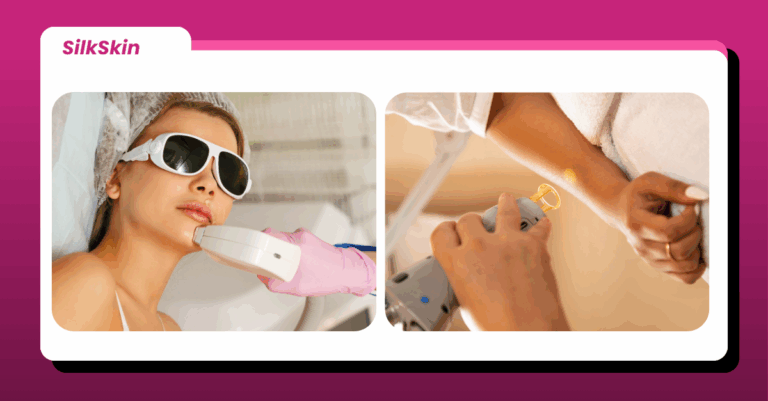
For those exploring cosmetic treatments, services like laser hair removal in Islamabad demonstrate how modern dermatology combines safety with effectiveness, providing long-lasting results when performed by trained specialists.
Final Thoughts: Choose Your Face, Not the Filter
If you have to pick just one area to focus on first, choose your barrier. Strong skin function will make makeup sit better, make any injectables you do choose look more natural, and reduce your reliance on heavy filters and constant product shopping.
Filters can change photos. Fillers can change contours. But fixing and respecting your barrier changes how your skin behaves every single day. And that’s what truly lasts.