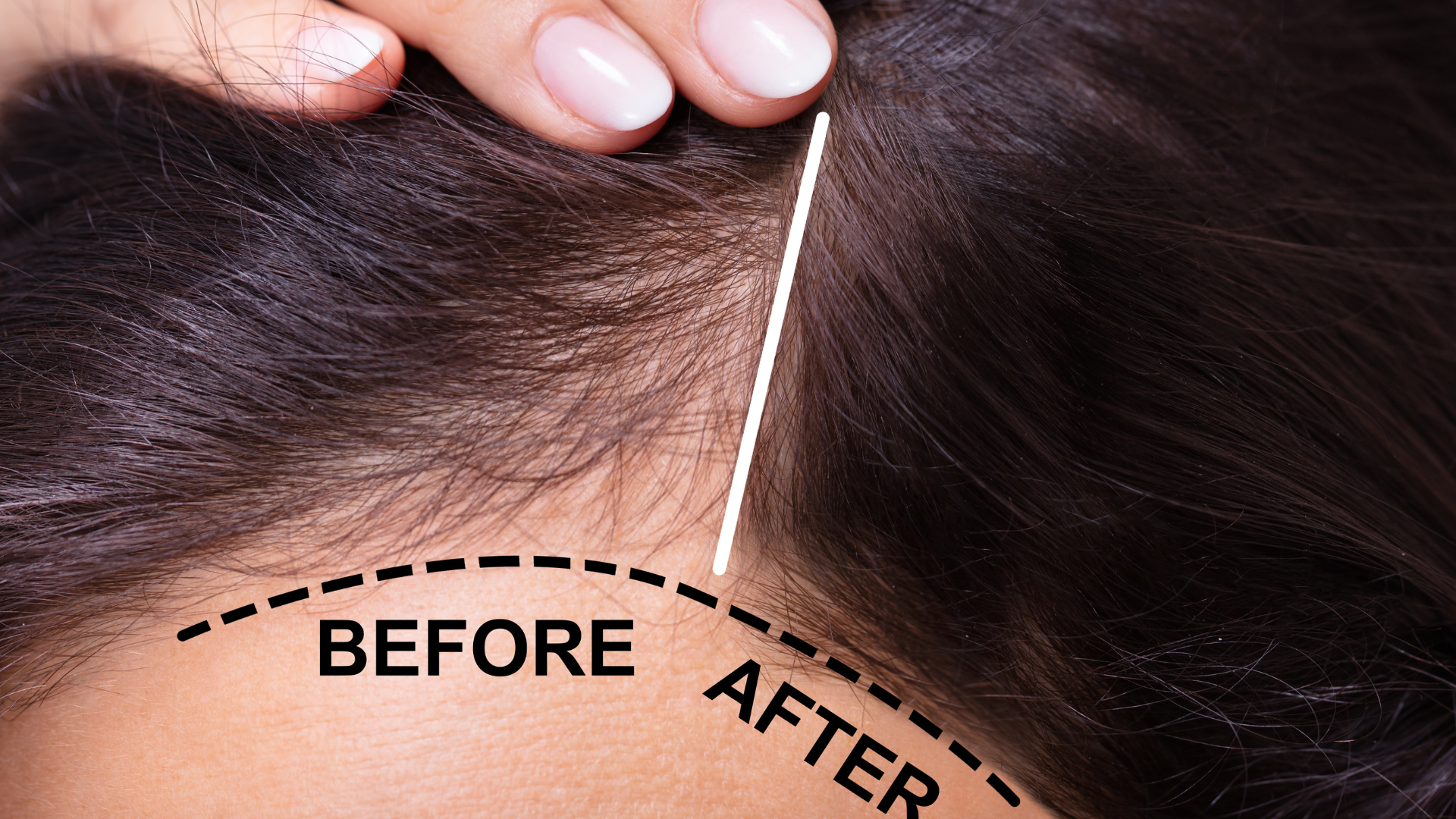
Hair Loss Treatment in Islamabad: From PRP to Medication – A Dermatologist’s Guide
Understanding hair loss
Hair loss is one of the most common concerns for both men and women in Islamabad and can seriously affect self-confidence and daily life. Many people spend months trying oils, home remedies, and social media “tips,” but without a proper diagnosis these experiments often waste time and sometimes make the problem worse.
A dermatologist focuses on finding the real cause of your hair loss instead of just covering the symptoms. With the right medical guidance, many types of hair loss can be slowed, controlled, and in some cases noticeably improved.
Common causes of hair loss
Hair fall is not the same for everyone, so a single “miracle cream” will never work for all. Androgenetic alopecia (male or female pattern baldness), hormonal changes, post-pregnancy shedding, nutritional deficiencies, thyroid issues, and stress are some of the most common reasons. Lifestyle habits such as poor diet, irregular sleep, smoking, and crash dieting gradually weaken the hair as well.
Environmental factors can make things worse. Hard water, dust, strong sun, and pollution can irritate the scalp and make hair easier to shed and break. Working with a dermatologist helps you understand which of these are affecting you and which treatments truly match your condition.
When to see a dermatologist
Early action usually leads to better and more natural-looking results. Warning signs include visible thinning on the crown, a widening hair part, a receding hairline, or a lot of hair left on your pillow, brush, or bathroom floor. If this continues for a few weeks, it is better to book an appointment than to keep waiting and hoping it will stop on its own.
During a consultation, the dermatologist will ask about your medical history, family history of hair loss, lifestyle, and any treatments or products you have tried. A detailed scalp examination is done, and in many cases blood tests are recommended to check for anemia, vitamin D deficiency, thyroid imbalance, or hormonal problems.
How hair loss is diagnosed
Good treatment starts with an accurate diagnosis. The dermatologist examines the scalp to check hair density, pattern of thinning, and any signs of redness, scaling, infection, or scarring. In some clinics, magnifying tools like dermatoscopy or tracheoscopy are used to look closely at the hair follicles and scalp condition.
Blood tests are often advised when nutritional or hormonal causes are suspected. These may include iron and ferritin levels, vitamin D, vitamin B12, thyroid function, and other tests depending on the case. Once the doctor knows what type of hair loss you have and why it is happening, a personalized treatment plan is created for you.
Treatment options: big picture
There is no single “magic” cure for hair loss. Most people do best with a mix of topical medicines, oral medications, in-clinic treatments like PRP, and lifestyle changes. The main goals are to reduce shedding, protect and thicken existing hair, and encourage new growth where possible.
Treatment is always tailored to the person. Age, gender, type and stage of hair loss, pregnancy status, and any other health issues all influence the plan. This is why copying a friend’s prescription or following advice from non-medical influencers can be unsafe and disappointing.
Topical medications for hair loss
Topical treatments are often the first step. Minoxidil solutions or foams are commonly prescribed to improve blood flow to hair follicles and extend the hair growth phase. They come in different strengths for men and women, and results depend heavily on using them correctly and consistently.
Medicated shampoos, lotions, or tonics may be added when there is dandruff, scalp inflammation, or seborrheic dermatitis because these conditions can worsen hair shedding. These products are selected according to your scalp problem, not just your “hair type.” Overusing harsh shampoos, treatments, or DIY mixtures can dry the scalp and cause more breakage over time.
Oral medications and supplements
For suitable patients, oral medications are used to support topical treatments. In male pattern hair loss, tablets that reduce the effect of certain hormones on hair follicles may be prescribed under strict supervision. In women, different anti-androgen medicines or hormonal treatment may be considered, especially when there are signs of hormonal imbalance or conditions like PCOS.
Supplements are helpful only when used wisely. Biotin, iron, vitamin D, amino acids, and other nutrients can support healthy hair if there is a proven deficiency or increased need. They work best alongside a balanced diet and medical treatment, not as a stand-alone cure taken blindly.
What is PRP therapy?
Platelet-Rich Plasma (PRP) is a popular, minimally invasive procedure for hair loss performed in many modern dermatology clinics. A small amount of your blood is drawn and spun in a machine to separate the platelet-rich layer, which is full of growth factors involved in healing and tissue repair. This concentrated plasma is then injected into the thinning areas of your scalp.
PRP helps by stimulating weak or dormant hair follicles, improving blood supply, and supporting thicker, healthier hair growth over time. It is often useful in early to moderate androgenetic alopecia, postpartum hair loss, and some non-scarring hair loss conditions when combined with other treatments.
How PRP sessions work
Before the procedure, the scalp is cleaned and a numbing cream or local anesthesia is usually applied to reduce discomfort. The dermatologist injects PRP into the target areas using very fine needles, often in a grid pattern across the thinning scalp. A session usually takes about 30–60 minutes depending on how large the treatment area is.
PRP is generally done as a series of sessions, spaced a few weeks apart. Most patients first notice less hair fall, followed by gradual improvement in hair thickness and coverage over several months. Maintenance sessions may be suggested once or twice a year to maintain the results.
PRP vs medication
PRP and medicines are not rivals; they work best together in many cases. Topical and oral medications help slow or stabilize hair loss from inside and outside, while PRP directly delivers growth factors to the scalp for an extra boost. For many patients, this combination provides better and longer-lasting improvement than using either one alone.
PRP can be especially appealing for patients who want to limit certain long-term medicines or who are at an early stage and want a stronger push toward regrowth. But it is still a medical procedure and must be done by a trained professional in a clean, well-equipped clinic for safety and effectiveness.
Other in-clinic hair treatments
Some clinics also offer scalp microneedling, sometimes combined with PRP or special serums. The device creates tiny controlled micro-channels in the scalp, which can stimulate collagen and help active ingredients penetrate deeper. This can enhance the effect of topical treatments when selected for the right patients.
Low-level laser or light-based therapies may be used as supportive treatments. These devices deliver specific wavelengths of light that can improve cellular activity in hair follicles. They are usually used alongside other treatments, not as a stand-alone cure, and should be recommended and monitored by a dermatologist. Many patients also explore complementary aesthetic treatments like laser hair removal in Islamabad to reduce unwanted body hair while focusing on preserving and regrowing scalp hair.
Lifestyle, diet, and home care
Medical treatment works far better when your routine supports it. Hair needs protein, iron, vitamins, and adequate calories to grow well, so a balanced diet with sufficient protein, fruits, vegetables, and healthy fats is essential. Crash diets, extreme calorie cuts, and rapid weight loss are a common trigger for sudden heavy shedding and should be avoided.
Gentle hair care matters. Try to minimize frequent use of very high heat tools, harsh chemical straightening, and tightly pulled hairstyles that stress the roots. A dermatologist can recommend the right shampoo, conditioner, and oil routine based on your scalp and hair needs rather than trends or adverts.
Safety and choosing a clinic in Islamabad
Because hair loss treatment is so in demand, many salons and non-medical centers market “advanced” treatments without proper medical training or sterilization. This can be risky, especially when injections, strong chemicals, or medical claims are involved. Choosing a qualified dermatologist ensures that your treatment follows evidence-based protocols, safe techniques, and high standards of hygiene.
When looking for a clinic in Islamabad, check the doctor’s credentials, cleanliness of the facility, quality of equipment, and how clearly the team explains procedures and expectations. A trustworthy clinic focuses on your long-term results and safety, not just on selling large packages quickly. Reading real patient feedback and asking questions during consultation can help you feel confident in your choice.
Results and what to expect
Hair regrowth always takes time because hair grows in cycles. In most cases, improvements appear over several months, not days or weeks. Often the first positive sign is that daily hair shedding reduces, then gradually hair feels fuller and looks denser in photos and the mirror.
Some types of hair loss can be controlled but not completely reversed, so ongoing maintenance is important. Regular follow-ups allow the dermatologist to fine-tune your medications, adjust PRP frequency, and adapt the plan as your scalp responds. Seeing hair treatment as a long-term partnership rather than a quick fix leads to more realistic, satisfying results.
Taking the next step
If hair loss is affecting your confidence, the most powerful step is to stop experimenting blindly and get a proper diagnosis from a specialist. Consulting the best dermatologist in Islamabad can help you identify the exact cause of your hair loss and design a plan that may include PRP, medication, and lifestyle changes tailored to you.
Starting early usually means more hair saved and better cosmetic outcomes, especially in pattern baldness. Booking a consultation with a qualified skin and hair expert in Islamabad can give you clarity, direction, and a clear path to healthier, stronger hair.