
How Stress, Sleep, and Lifestyle Shape Your Skin in Your 30s
Stress, sleep, and everyday lifestyle choices start to write themselves on your face in your 30s. Fine lines look sharper after a bad week, breakouts linger longer, and that “fresh” glow is harder to maintain. Your skin is no longer just about products; it is a reflection of how you live.
Why Your 30s Are Different
In your 30s, skin repair naturally slows down as collagen production drops and cell turnover becomes less efficient, so damage from sun, stress, and late nights shows more easily. Hormonal changes, higher work pressure, and family responsibilities often mean less rest, more screen time, and more stress, all of which can disturb the skin’s balance.
Your face often mirrors your lifestyle: chronic stress can leave you looking tense and tired, while poor sleep and an unbalanced diet can show as dullness, breakouts, and early signs of aging.
How Stress Shows Up on Your Skin
When your body is under chronic stress, it releases more cortisol, a hormone that can increase oil (sebum) production and inflammation in the skin. This can trigger or worsen acne, irritate sensitive skin, and slow down how fast the skin heals from spots or procedures.
In your 30s, this often appears as more frequent breakouts along the jawline or cheeks, flare-ups of conditions like eczema or psoriasis, and a generally “tired” look with uneven tone and texture even when you are using good products.
Sleep and Skin Repair at Night
During sleep, the skin steps into repair mode: it helps fix DNA damage from UV and pollution, builds collagen, and strengthens the skin barrier. Poor or short sleep disrupts this process, reducing the quality of repair your skin can achieve each night.
Signs of poor sleep include dullness, puffiness, dark circles, and fine lines appearing more pronounced because the skin is not getting enough time to restore itself. Acne marks, pigmentation, and irritation also fade more slowly when sleep is consistently compromised.
Lifestyle Habits That Age Your Skin Faster
Certain habits common in busy 30-something lives act like fast-forward buttons on skin aging:
Late nights and heavy screen time expose skin to more blue light and reduce melatonin, which can disturb repair and increase oxidative stress.
Diets high in sugar and ultra-processed foods can promote glycation, a process that stiffens collagen and contributes to wrinkles and loss of firmness.
Smoking and vaping reduce blood flow and oxygen to the skin and increase free radical damage, leading to dullness, lines, and uneven tone.
Frequent alcohol can dehydrate the skin and worsen redness and puffiness, especially around the eyes and cheeks.
Over time, these factors break down collagen and elastin, the proteins that keep skin firm, smooth, and resilient.
Stress-Related Skin Issues Common in Your 30s
Your 30s are often when stress-related skin and hair issues become more obvious:
Adult acne, especially along the jawline and chin, is frequently linked to stress and hormonal fluctuations.
Hair fall and thinning can increase because stress pushes more hairs into a shedding phase, leading to noticeable loss a few months after a particularly difficult period.
Seborrheic dermatitis (dandruff, redness, and flaking around the scalp, eyebrows, and sides of the nose) often flares with stress.
Melasma and dark spots can worsen because stress, hormones, and sun exposure together increase pigment production and make pigmentation harder to treat.
These conditions often need both lifestyle shifts and targeted dermatological care.
Small Daily Changes That Protect Your Skin
You do not need a complete life overhaul to help your skin; small, consistent changes matter:
Keep a fairly steady sleep window (for example, 11 pm to 7 am) most nights to regulate your body clock and support nighttime skin repair.
Set a simple “screen curfew” 30 to 60 minutes before bed to reduce blue light and mental overstimulation.
Drink enough water through the day and include some movement like short walks, stretching, or brief workouts to improve circulation and reduce stress load.
On the skincare side, keep your base routine gentle and stable: a non-stripping cleanser, a moisturizer suitable for your skin type, and a broad-spectrum SPF 30 or higher in the morning. Add just one or two targeted actives (like a retinoid or vitamin C) instead of constantly experimenting with new products.
Building a “Stress-Smart” Skincare Routine
A “stress-smart” routine is one that supports your skin through ups and downs instead of overwhelming it.
In the morning, focus on protection:
Start with a gentle cleanser to remove sweat and oil without irritating. Follow with an antioxidant serum (such as vitamin C or niacinamide) to help defend against pollution and free radicals. Apply a barrier-friendly moisturizer to keep skin comfortable. Finish with broad-spectrum sunscreen to prevent UV damage and pigmentation.
At night, focus on repair:
Use a cleanser (double cleanse if using heavy makeup or waterproof sunscreen). Apply a retinoid or gentle exfoliating active on some nights to boost renewal, but use it in moderation to avoid barrier damage. Add a hydrating serum with ingredients like hyaluronic acid, glycerin, or panthenol. Seal everything with a barrier cream or moisturizer rich in ceramides and lipids to support overnight recovery.
If your skin becomes reactive during high-stress periods with more stinging, redness, or dryness, cut back on actives and focus on soothing, hydrating steps until things settle instead of hopping to a new product every week.
When Lifestyle Is Not Enough
Sometimes, even with better sleep and habits, skin and hair issues continue or worsen. That is when professional help becomes important.
Persistent or worsening adult acne, melasma, rosacea, or eczema that does not respond to gentle routines may need prescription treatments, peels, or procedures. Hair thinning or shedding that continues beyond three to six months, especially with visible gaps or patches, should be evaluated to rule out nutritional, hormonal, or autoimmune causes.
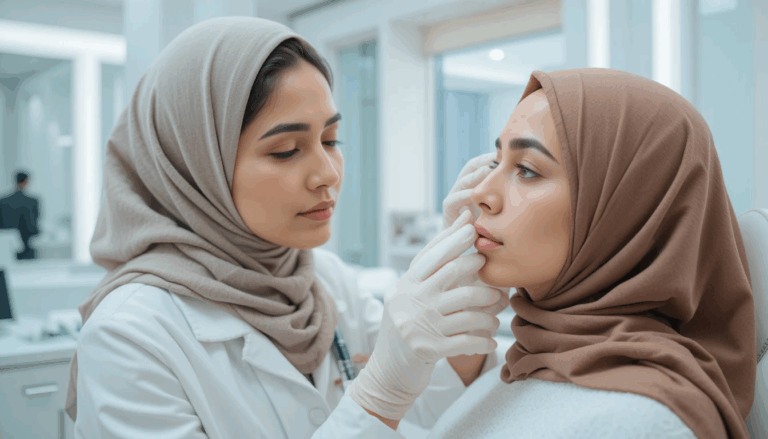
If you’re looking for expert guidance, consulting the Best Dermatologist in Islamabad can help you prioritize which actives and treatments make the most sense for your skin, instead of you guessing based on online advice. Professional treatments like laser hair removal in Islamabad can also address specific concerns that topical products alone cannot fix.
Mind-Skin Connection: Calming Your Nervous System for Better Skin
Your nervous system and your skin constantly “talk” to each other through hormones and inflammatory signals. When stress is chronic, that conversation becomes louder and harsher. Supporting your mind is therefore a real, indirect skin treatment.
Simple breathwork, short mindfulness exercises, or prayer and meditation can reduce stress hormones over time. Regular physical activity helps clear stress mediators and supports better sleep quality. Setting boundaries with work and phone use, especially in the evenings, can lower mental load and improve recovery.
Treat skincare and self-care as one package. Cleansing your face at night, applying your routine, and then putting your phone away can become a small, daily ritual that signals “wind down” to both skin and mind.
Final Thoughts: Your 30s Are a Chance, Not a Sentence
Lifestyle-related skin changes in your 30s are extremely common and, to a meaningful degree, reversible or improvable. Dullness, stress breakouts, and fine lines are not just signs of getting older; they are also signals from your body that it needs better rest, fuel, and support.
Start with small, sustainable changes: more consistent sleep, a calmer, simpler routine, and fewer harsh habits. If your skin still does not settle, or your concerns are affecting your confidence, seek personalized advice from a qualified dermatologist who can align medical treatments with your real-life stress and sleep patterns. That combination of smart lifestyle plus expert care is what helps your skin reflect how strong and capable you truly are in your 30s.