
How to Choose a Dermatologist in Islamabad: Red Flags You Should Never Ignore
Choosing the right dermatologist in Islamabad can protect your skin, your wallet, and your confidence. Picking someone only because they are cheap or “famous on Instagram” can lead to burns, scars, and long-term pigmentation that is very hard to fix later.
Why Your Choice Matters
Dermatology is not just about beauty; it is medical treatment for your largest organ: your skin. Wrong lasers, unsafe injections, and random “whitening” treatments done by untrained people can cause permanent marks, infections, and even health risks. A good dermatologist, on the other hand, will protect both your results and your safety.
Step One: Check Basic Credentials
Start by looking at qualifications, not décor. A proper dermatologist should have an MBBS plus formal specialization in dermatology, and if they do aesthetic procedures (like lasers, Botox, fillers), there should be recognized training or certification in those areas as well. Hospital affiliations, teaching positions, and memberships in dermatology societies are also positive signs.
Social media followers, fancy waiting areas, and glossy before-after photos are not proof of medical expertise. Always ask who is actually treating you, what their training is, and whether they are physically present in the clinic during procedures.
Red Flag 1: Only Selling “Packages,” No Real Consultation
Be cautious if your visit feels more like a sales pitch than a medical appointment. If the clinic is pushing fixed “whitening,” “bridal,” or “laser” packages without asking about your medical history, current medicines, allergies, or previous treatments, that is a serious warning sign.
A genuine dermatologist will first sit down with you, listen to your concerns, examine your skin, and sometimes ask for lab tests before recommending anything. If no one properly looks at your skin but they still want you to pay for a bundle of sessions, it is safer to walk away.
Red Flag 2: Guaranteed Results and “Instant Fixes”
Phrases like “100% guaranteed,” “no side effects,” “3 shades lighter in 7 days,” or “scarless in one session” may sound attractive but are not realistic in medicine. Every skin is different, and every procedure carries some chance of side effects.
Ethical doctors talk in terms of expected improvement, percentages, and timelines. They will tell you, for example, that acne scars can improve by a certain range over several sessions, or that melasma often needs long-term maintenance. If someone promises miracles with zero risk, they are selling, not practicing medicine.
Red Flag 3: No Discussion of Risks or Alternatives
If a provider only tells you the benefits (“you will look younger,” “your scars will disappear,” “your tan will go”) and never explains what could go wrong, be very careful. Proper informed consent means you are told about possible side effects, downtime, pain, what recovery looks like, and what to do if something goes wrong.
You should also hear about alternatives: for example, different types of peels, lasers, or non-procedural options. If you feel rushed to sign or pay without understanding these points, that clinic is not respecting your safety.
Red Flag 4: Unclear Products, Injections, or Machines
You have the right to know what goes into or onto your skin. If the clinic refuses to share the names of the fillers, toxins, peels, or device brands they are using, or if they say things like “secret formula” or “we cannot disclose,” that is a big red flag.
Transparent clinics are open about product names, strengths, and device types. They can show you packaging, explain why they chose a particular product for you, and answer questions about where it comes from. Hidden or unlabelled injections are never worth the risk.
Red Flag 5: Over-Selling and Pushing Too Many Procedures
If every visit turns into pressure to add “just one more” treatment (extra laser passes, unnecessary drips, random add-on facials), you may be in the wrong place. You should not feel guilty or scared into spending more money each time.
A responsible dermatologist creates a stepwise plan: maybe starting with basic skincare and sun protection, then gradually adding procedures as needed. If someone tries to book you for a long list of treatments on day one, especially very strong ones, they are prioritizing sales over safety.
Red Flag 6: No Follow-Up or Aftercare
Dermatology treatments do not end when you leave the room. If the clinic does not give you written aftercare instructions, does not schedule or suggest follow-up, and offers no way to contact them if you have a reaction, that is poor practice.
Good clinics explain how to care for your skin after procedures, which products to avoid, what is normal and what is not, and when to come back. They are willing to see you again if you have concerns, instead of ignoring you once the payment is done.
Red Flag 7: Non-Medical Staff Doing Medical Procedures
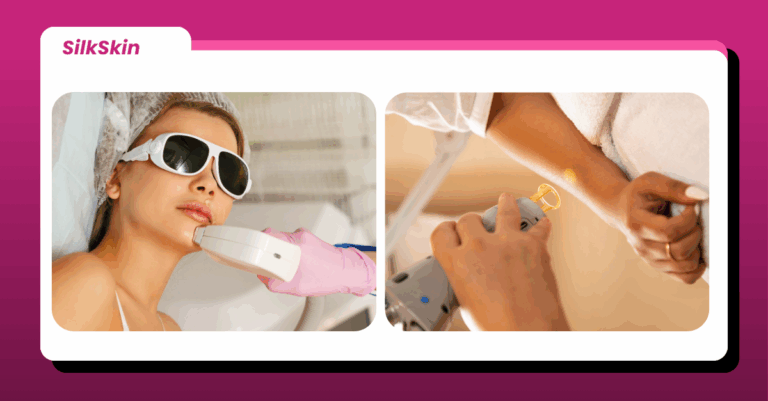
Certain procedures (deep peels, lasers, injectables like Botox and fillers, PRP, minor surgeries) are medical and should be done only by trained professionals, with proper supervision. If you find that most of the work is being done by technicians with minimal training while the doctor is rarely present, that is risky.
Unqualified handling of lasers and injections can lead to burns, scars, nerve injury, and infections. It is fine for assistants to help with cleansing, numbing cream, or basic steps, but the key medical parts should be directly performed or closely supervised by the dermatologist.
Positive Signs of a Trustworthy Dermatologist in Islamabad
Look for these green flags: take a detailed history, listen carefully, and examine your skin closely before deciding anything. Explains your diagnosis in clear, simple language and tells you why a particular treatment is suitable (or not suitable) for you. Starts with realistic, conservative treatment rather than jumping straight to the most aggressive option.
Uses known, documented products and devices, and is comfortable when you ask questions. Talks honestly about what is possible, what is not, and how long it will take. You should leave the room feeling informed, not confused or pressured.
Smart Questions to Ask Before You Decide
Before committing to any treatment or package, ask: What are your qualifications and experience in treating my specific problem (acne, melasma, scars, hair loss, etc.)? What are the possible side effects, downtime, and what precautions I must follow? How many sessions will I realistically need, and what is the estimated total cost over time? Who will perform the procedure (will you be present and supervising)?
A confident, ethical dermatologist will answer these calmly and clearly.
Final Thoughts: Treat This as a Health Decision
Choosing a dermatologist in Islamabad is not just a beauty choice; it is a health decision that affects your face for years. If you see multiple red flags (no consultation, only packages, guaranteed miracles, hidden products, heavy pressure, or unqualified staff), it is better to walk away than to risk permanent damage.
Your skin deserves safe, science-based care from someone properly trained to provide it. Take your time, ask questions, and trust your instincts: if something feels wrong, you are allowed to say no and find a better clinic. When you do find a qualified professional who checks all the right boxes, you will feel the difference in how they approach your care and prioritize your long-term skin health.
For those seeking trusted expertise, consulting with the best dermatologist in Islamabad ensures you receive evidence-based treatment from properly credentialed professionals who put patient safety first. Whether you are addressing medical skin concerns or considering cosmetic procedures like laser hair removal in Islamabad, working with qualified specialists means you get honest assessments, transparent product information, and realistic expectations, not just marketing promises.