Laser Hair Removal in Islamabad: How to Avoid Burns and Dark Marks
Laser hair removal in Islamabad can be very safe and effective, but only if common myths are cleared and proper precautions are followed to avoid burns and dark marks.
Why Laser Hair Removal Is Popular in Islamabad
More people are choosing laser hair removal for long-term reduction of unwanted hair because it saves time, reduces ingrown hairs, and leaves the skin feeling smoother compared to shaving or waxing. However, your results and your safety depend heavily on the right laser type, proper skin assessment, and the experience of the dermatologist or technician performing the treatment. If you’re looking for expert guidance, consulting the best dermatologist in Islamabad can make all the difference in achieving safe and lasting results.
How Laser Hair Removal Actually Works
Laser hair removal works by sending concentrated light into the hair follicle, where the pigment (melanin) absorbs the energy, heats up, and damages the root to slow or stop future growth over time. Because hair grows in cycles and the laser targets active-growth hairs, multiple sessions are always needed for meaningful reduction. A good contrast between hair color and skin tone usually improves response, which is why professional assessment is crucial before starting treatment.
Common Myths About Laser Hair Removal
Several myths can create false expectations or unnecessary fear.
“Laser hair removal gives 100% permanent removal after a few sessions.” In reality, most people see major, long-lasting reduction, not absolute, lifetime removal after just a few visits.
“It doesn’t work on darker or tanned Pakistani skin.” Modern, appropriate lasers and settings can be used safely and effectively on darker skin types when handled by trained professionals.
“Laser is the same as IPL or cheap salon ‘laser’ machines.” IPL is a broad-spectrum light, not a true laser, and many low-cost devices lack the precision and safety controls of medical-grade lasers.
“Once you do it, hair comes back thicker if you stop.” Hair that returns after time is usually finer and lighter. Stopping treatment simply allows natural growth patterns to resume, not to become thicker because of the laser.
Realistic Results, Sessions, and Maintenance
Good laser hair removal results typically mean a major reduction in hair density, slower regrowth, and finer hair in treated areas. Many people need a series of sessions, often spaced 4 to 8 weeks apart, with facial hair usually requiring more frequent and more total sessions than body areas.
Areas like underarms, bikini line, and legs tend to respond very well, while more hormonally influenced zones such as chin and jawline may need more sessions and occasional maintenance. For those in nearby cities, laser hair removal in Rawalpindi offers similar high-quality services. Maintenance sessions once or twice a year are common to keep results stable, especially in hormonal areas.
Why Burns and Dark Marks Happen
Complications are usually linked to incorrect technique or poor judgment rather than the laser itself.
Using the wrong laser type or overly aggressive settings on darker or tanned skin can cause burns and post-inflammatory hyperpigmentation. Treating skin that is recently tanned, sunburned, or compromised by rashes, infections, or an already damaged barrier increases risk. Untrained staff may overlap pulses too much, use too high energy, or ignore patient feedback about pain, all of which raise the chance of burns.
How to Avoid Burns and Pigmentation: Choosing the Right Clinic
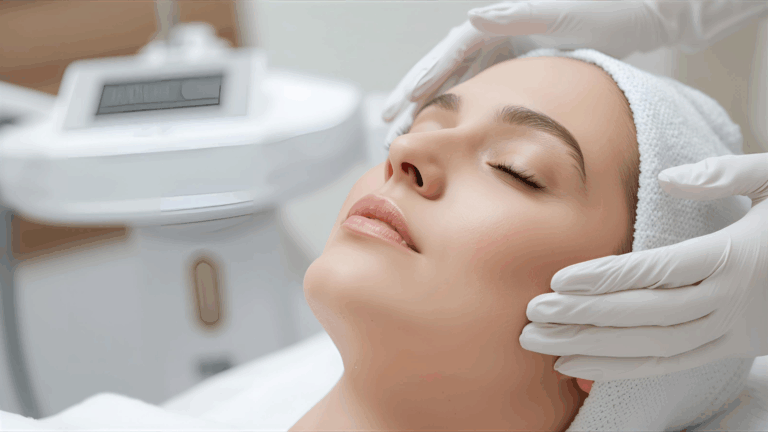
The safest results usually come from a dermatology-led clinic using medical-grade machines rather than a simple salon setup. A proper clinic will perform a patch test on a small area before starting full treatment, especially on darker skin tones. They will assess your skin type, hair color, medical history, and medications before switching on the laser.
Expect them to provide eye protection, use appropriate cooling (contact cooling tip, cold air, or gel), and document your settings and response each session. If you feel rushed, not examined, or are refused a patch test when you ask for one, consider it a red flag.
Pre-Treatment Care: Preparing Your Skin
Preparing correctly helps the laser work better and reduces side effects.
Shave (do not wax, thread, or remove hair from the root) around 24 hours before your session so the hair shaft is present in the follicle but not above the skin. Avoid strong peels, scrubs, retinoids, or other irritating actives on the treatment area for at least 1 to 2 weeks before. Skip perfumes, deodorants, or harsh creams on the area on the day of treatment, especially for underarms or bikini. Always inform the clinic if you start any new medication, particularly those that increase photosensitivity.
Post-Treatment Care: Preventing Dark Marks and Irritation
After treatment, the skin may be mildly red, warm, or slightly bumpy around follicles. This usually settles within hours to a couple of days. To protect and calm the skin, use cool compresses and soothing gels or creams recommended by your dermatologist immediately after and for the next day or two.
Practice strict sun protection with high-SPF sunscreen and physical covering (clothing) over the area when outdoors. Avoid very hot showers, saunas, heavy gym sessions, or tight clothing rubbing against the treated area for 24 to 48 hours. If you notice blisters, intense pain, or unusual darkening, contact the clinic as soon as possible instead of trying home remedies.
Special Considerations for Pakistani and Darker Skin Tones
For darker Pakistani skin tones, safety requires extra expertise. Certain wavelengths such as Nd:YAG (1064 nm) are generally considered safer because they penetrate deeper and are less absorbed by epidermal melanin. Conservative settings and gradual dose increases help reduce the risk of burns and pigmentation.
Areas prone to friction and pigmentation, like underarms, bikini line, and the face, need particular care and cautious parameter selection. For women with facial hair related to PCOS or other hormonal issues, laser works best when combined with proper medical management of the underlying hormone imbalance.
Red Flags: When Not to Proceed
It is safer to walk away if you notice extremely cheap “deals” that prioritize speed and volume over assessment and safety. Be wary if there’s no doctor on site, no medical history taken, no explanation of risks, and no eye protection offered. A clinic willing to treat over tattoos, open wounds, suspicious moles, or very tanned or sunburned skin is not following proper protocols.
Trust your instincts. If a setup looks careless or secretive about its machines and protocols, it is not worth the risk.
Who Is a Good Candidate and Who Should Wait
Good candidates often have darker, coarse hair with lighter surrounding skin, realistic expectations, and willingness to complete multiple sessions. Those who may need to delay or avoid treatment include pregnant or breastfeeding individuals, unless cleared by their doctor. People on certain medications that increase light sensitivity should also wait.
Those with very light, blonde, red, or grey hair, which has little melanin and responds poorly, may not see good results. Anyone with uncontrolled skin diseases or active infections in the treatment area should postpone treatment. A proper consultation will help decide if laser is right for you now or better postponed.
Final Thoughts: Safe, Effective, and Informed
Laser hair removal in Islamabad can be a safe, highly effective way to reduce unwanted hair and improve comfort and confidence when done correctly. The key is not just the machine, but the expertise behind it, careful skin assessment, and your own commitment to pre and post care.
Before starting, book a detailed consultation at a qualified, dermatologist-led clinic, ask questions, insist on a patch test, and make sure you understand both the benefits and the limitations. That way, you minimize the risk of burns and dark marks and maximize the chance of smooth, long-lasting results.