The Truth About Skin Whitening: Injections, Drips, and Pills
Skin whitening injections, drips, and pills are heavily marketed as quick ways to get “fair” skin, but the truth is far more complex and often risky. The real goal should be healthy, even-toned skin, not harming the body for a few shades of temporary lightening.
How Skin Colour and Pigmentation Really Work
Skin colour is mainly determined by melanin, a pigment produced by cells called melanocytes. Melanin is not an enemy. It actually protects the skin from UV damage and reduces the risk of sunburn and some skin cancers. Problems arise when melanin is unevenly distributed, causing tanning, dark spots, melasma, or marks after acne.
There is a big difference between your natural genetic skin tone and acquired pigmentation from sun exposure or inflammation. Treatments can safely help with tanning and dark patches, but trying to “erase” your natural melanin or become dramatically lighter than your genetic colour is neither realistic nor safe.
Skin Whitening Injections (Especially Glutathione)
Glutathione injections are one of the most aggressively advertised whitening methods. They are often sold with promises like “full-body whitening,” “glass skin,” or “3 to 4 shades lighter in a few sessions.” The idea is that glutathione, a powerful antioxidant, might reduce melanin production and brighten the skin.
However, evidence for dramatic and long-term whitening through injections is limited, and most studies are small or short-term. More importantly, high-dose IV glutathione used only for cosmetic whitening raises serious safety questions: potential stress on kidneys and liver, allergic reactions, and risks when injections are done in non-sterile environments or by untrained staff.
Many dermatology and health authorities warn strongly against using IV glutathione purely for skin lightening, especially in high or repeated doses. It is crucial to be very cautious whenever a clinic promises quick, full-body whitening with no discussion of risks, blood tests, or medical history.
IV Whitening Drips and “Cocktails”
Whitening drips are usually IV infusions containing combinations of glutathione, vitamin C, and other antioxidants. They are advertised as detox drips, bridal drips, or glow drips, often with bold claims of rapid, uniform skin lightening.
In reality, these drips may offer mild brightening and antioxidant support at best, if used safely and sensibly. The bigger issue is that many are prepared and given without regulation: no proper product labeling, no sterility assurance, no screening for medical conditions, and no understanding of interactions with other medicines. This opens the door to infections, vein irritation, incorrect dosing, and long-term organ stress.
When used for purely cosmetic “whitening,” especially in repeated, high-dose courses, these drips are more hype than evidence-backed treatment and carry far more risk than benefit.
Oral Whitening Pills and Supplements
Skin whitening pills commonly include oral glutathione, vitamin C, and various “fairness blends.” Marketing often suggests that simply taking a pill will safely lighten your entire body in a short time.
Oral glutathione may have some modest brightening effect for some people, but again, results tend to be mild and depend on dose, duration, and individual biology. There is no solid proof that pills alone can safely and permanently change someone’s natural skin colour by several shades. Long-term, high-dose use without medical oversight can also burden the liver and kidneys.
On the other hand, using supplements to correct real deficiencies (like vitamin D, iron, or vitamin C deficiency) can support overall skin health and radiance. The key difference is intention and supervision. “Treating a deficiency under medical guidance” is not the same as “taking high-dose whitening pills for months from random sellers.”
Topical “Whitening” Creams and Hidden Steroid Damage
Many “instant fairness” or “gold” or “bleach” creams contain a mix of strong agents such as hydroquinone, topical steroids, and other harsh bleaching ingredients, often without clear labeling. At first, they may give quick brightness and a smoother look, which feels rewarding.
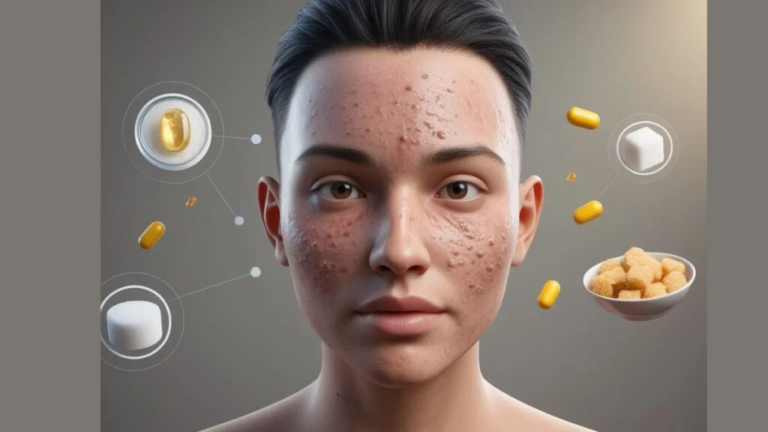
With long-term use, however, these creams can cause serious damage: thinning of the skin, visible blood vessels, steroid-induced acne, extreme sensitivity, and a condition where the face becomes red, bumpy, and easily irritated. When such creams are stopped, severe rebound pigmentation and worsening dark patches are very common.
Strong lightening agents and especially steroids on the face should never be used long term without close dermatologist supervision. Short-term “fairness” is not worth years of barrier damage and difficult-to-treat pigmentation.
What Is Actually Safer and Evidence-Based?
A healthier and more scientific approach focuses on brightening and evening out skin tone, not changing your natural colour. Safer, evidence-based options include:
Daily broad-spectrum sunscreen to prevent tanning, melasma, and darkening of spots.
Topical actives like vitamin C, niacinamide, azelaic acid, kojic acid, licorice extract, and, when appropriate, prescription lightening agents used under medical guidance.
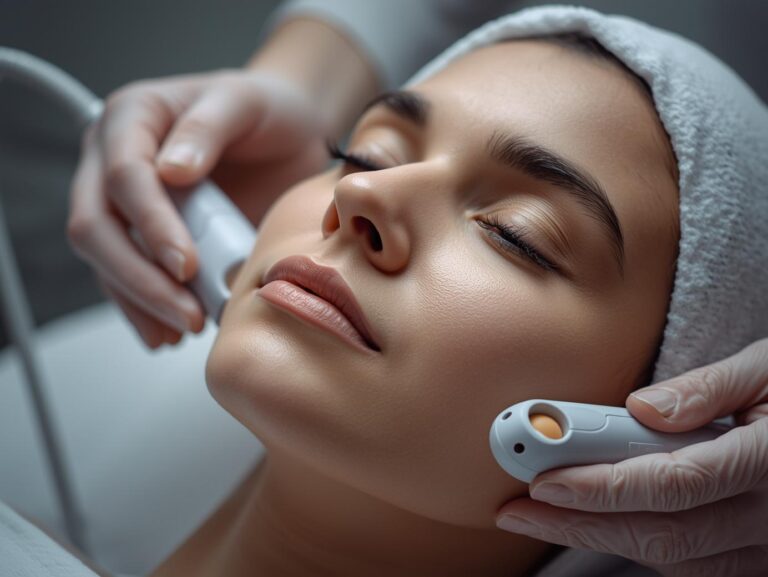
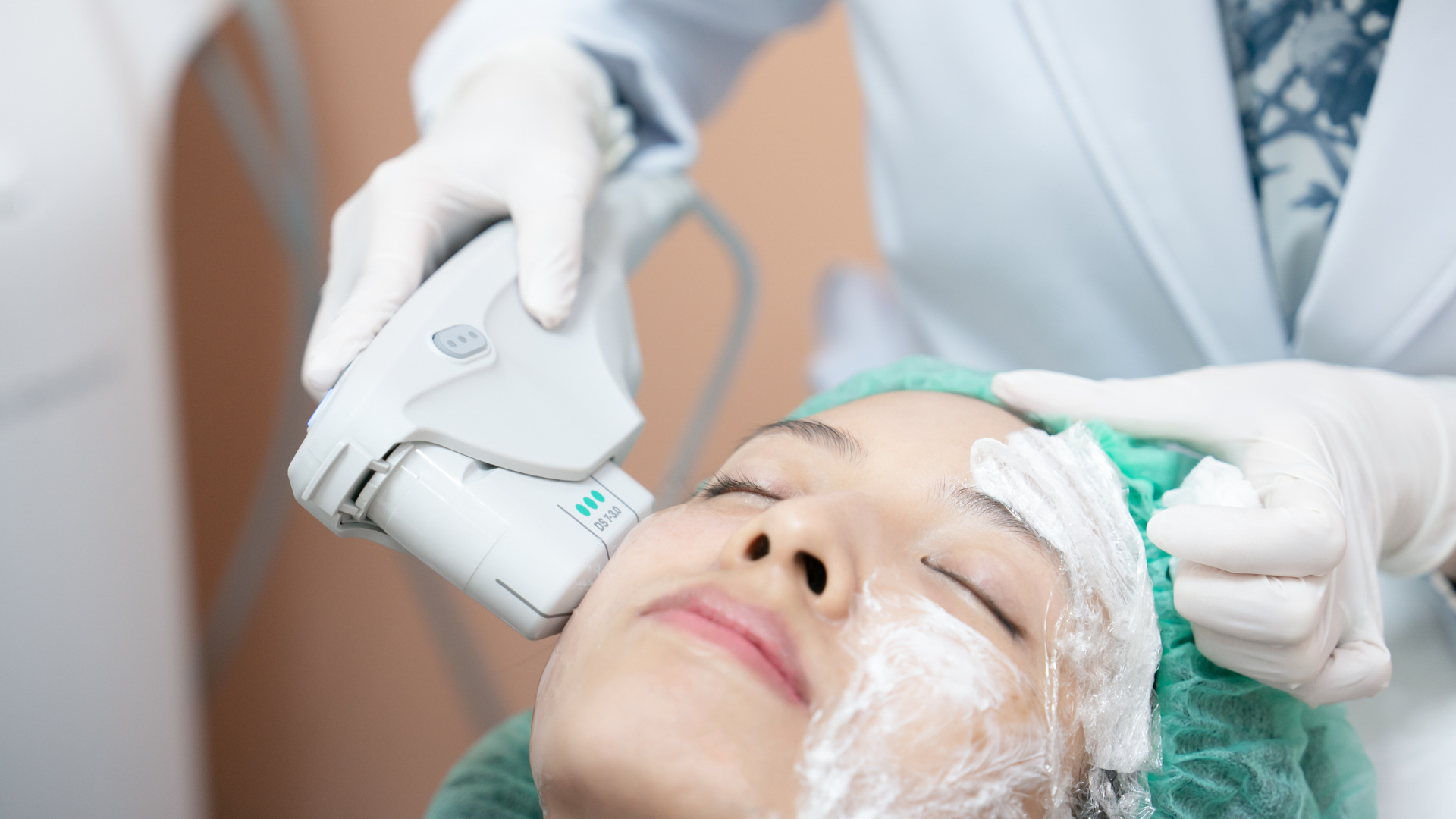
In-clinic procedures such as chemical peels, targeted lasers for pigmentation, and microneedling with brightening serums, done by trained professionals after proper assessment.
These treatments aim to reduce excess pigmentation, improve texture, and restore a healthy glow while respecting the skin’s barrier and long-term health.
Red Flags to Watch Out For
Certain signs should immediately make you cautious:
Promises of “full-body whitening” or “3 to 4 shades lighter” in a few injections or drips.
No consultation, no medical history, and no talk about risks, only about packages and discounts.
No clear explanation of what is inside the injection, drip, or pill, or refusal to show labels.
Very cheap injectable or IV treatments done in non-medical settings or by unqualified staff.
Strong fairness creams being sold for daily, indefinite use on the face.
Any treatment that ignores your health, organs, and long-term skin condition in favour of quick colour change is not worth the risk.
Questions to Ask Before Any Whitening Treatment
Before agreeing to any whitening injection, drip, or pill, ask:
What exactly is in this product, and is it approved for this use?
Do I have any medical condition (kidney, liver, autoimmune, pregnancy, etc.) that makes this risky?
What side effects have been reported, and how will you monitor my safety?
Are there safer options focusing on pigmentation and skin quality that could help me instead?
If the provider cannot answer these clearly, that is a strong sign to walk away.
A Healthier Way to Think About Skin Tone
Instead of chasing an unrealistic and unsafe idea of becoming dramatically lighter, it is far better to aim for clear, even, and healthy skin in your natural tone. Regular sunscreen, gentle skincare, treatment of specific pigmentation issues, and overall health (diet, sleep, stress, hormones) can create a glow that looks real and lasts.
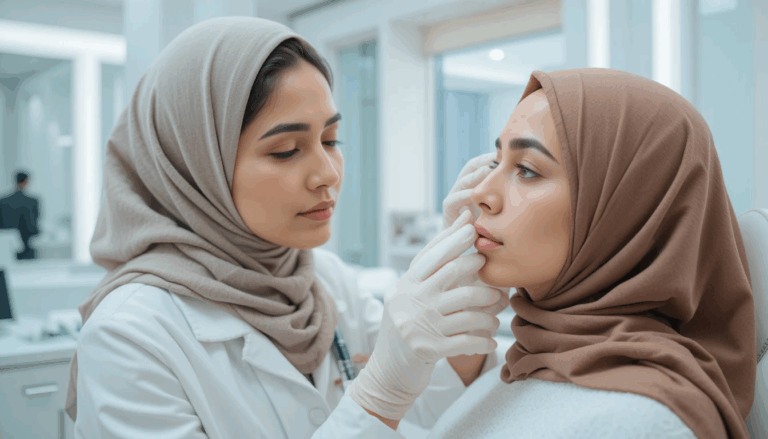
Your skin is not a test field for dangerous experiments. Choosing safe, science-based treatments and working with a qualified dermatologist will always give better long-term results than risky injections, drips, or creams that promise instant whitening but may cost you your skin and health later.
If you’re dealing with pigmentation concerns, uneven skin tone, or unwanted hair and seeking professional guidance, consulting the best dermatologist in Islamabad can help you find safe, effective solutions tailored to your skin type. For those interested in long-term hair reduction without the risks associated with unregulated treatments, professionally administered laser hair removal in Islamabad offers a proven alternative that prioritizes both results and safety under expert medical supervision.