
Under-Eye Pigmentation and Hollows: Causes, Cream Limits, and When to Consider Procedures
Under-eye pigmentation and hollows usually come from genetics, lifestyle, skin structure, and sometimes medical issues. Creams alone often give limited results, while the right procedures can make a real difference.
Why under-eye darkness is so common
The under-eye area easily makes your whole face look tired, older, or stressed because the skin there is thin and very expressive. Long screen time, lack of sleep, stress, and genetics all add up. Many people develop dark circles even in their 20s and 30s.
Not all dark circles are the same. Some are mainly due to extra pigment in the skin, some are from visible blue vessels and shadows, and others are caused by true hollows (sunken grooves) that cast a shadow. Most people actually have a combination of these, which is why one single cream rarely fixes everything.
Types of under-eye concerns
There are three main patterns:
Pigmentation: Brown or gray darkness from excess melanin, sun exposure, post-inflammatory changes, or conditions like eczema.
Vascular/shadowing: A bluish or purplish tone from visible blood vessels and very thin skin, often worse when tired or dehydrated.
Hollows (tear troughs): A groove between the lower eyelid and cheek due to volume loss or deep-set eye structure that creates a shadow, even if skin color is normal.
Understanding which type you have is the first step toward realistic treatment choices.
Why under-eye pigmentation develops
Several factors usually overlap. Some people naturally have darker skin around the eyes compared to the rest of the face due to genetics. Allergies, frequent eye rubbing, rough makeup removal, and eczema can inflame the area and lead to long-lasting darkening. UV rays stimulate melanin and make under-eye pigmentation and freckles more noticeable. Poor sleep, dehydration, anemia, and overall fatigue make vessels more visible and deepen shadows.
Even if a cream is good, none of these improves fully without addressing habits and triggers.
Why under-eye hollows appear
Hollows are more about structure than color. With aging, fat pads shrink, collagen drops, and the mid-face starts to sag slightly, revealing a hollow groove under the eye. Rapid weight loss or aggressive fat-reducing treatments can make the under-eye look more sunken. Some people are born with deep-set eyes and a naturally prominent tear trough, even in youth.
Because hollows are caused by volume loss and anatomy, no cream can fill them. Volume-based treatments are usually needed.
What eye creams can realistically do
Eye creams are not useless, but they have limits. Helpful ingredients include vitamin C, niacinamide, licorice, kojic acid or similar brighteners for mild pigmentation. Mild retinoids and peptides support collagen and fine lines when used carefully. Caffeine and soothing agents temporarily reduce puffiness and improve circulation.
These can improve texture, hydration, and mild color irregularities with consistent use over several weeks to months. However, they cannot change bone structure, fully remove genetic pigmentation, or physically fill hollows.
Risks of overusing eye creams and actives
Because under-eye skin is thin, it’s easy to do too much. Strong retinoids, acids, and aggressive lightening agents can trigger irritation, redness, peeling, and even darker pigmentation as the skin overreacts. Fragrance and essential oils around the eyes often cause dermatitis, leading to chronic redness and darkening.
Bleaching or fairness creams are especially unsafe under the eyes. Long-term use can thin the skin and worsen the problem over time. Any burning, stinging, or worsening color after starting an eye product is a sign to stop and get professional advice.
Lifestyle changes that genuinely help
Simple daily habits make a noticeable difference. Prioritize regular sleep, hydration, and stress management to reduce puffiness and vessel prominence. Use a broad-spectrum sunscreen around the eye area and wear sunglasses to prevent further tanning and pigment darkening. Remove eye makeup gently with a soft cleanser or remover, avoiding rough rubbing and tugging on the eyelids.
Managing allergies with proper treatment also reduces constant itching and rubbing that worsen darkness.
When to consider in-clinic treatments for pigmentation
If good skincare and lifestyle changes still leave you with moderate to severe under-eye pigmentation, professional treatments may help. Mild chemical peels designed for the eye area can gradually lighten some types of pigmentation. Laser or light-based treatments, chosen carefully for your skin type, can target vascular and pigment components when done by an experienced specialist. PRP (platelet-rich plasma) and microneedling may improve texture, fine lines, and overall skin quality, which can make the area look brighter and healthier.
Because the under-eye area and darker skin tones are prone to burns and rebound pigmentation, it’s essential to see a practitioner comfortable working with this region and your skin type.
When to consider procedures for hollows
Signs that hollows, not just pigment, are your main issue: darkness improves if you change the lighting angle or gently stretch the skin, meaning the shadow is from a groove, not color alone.
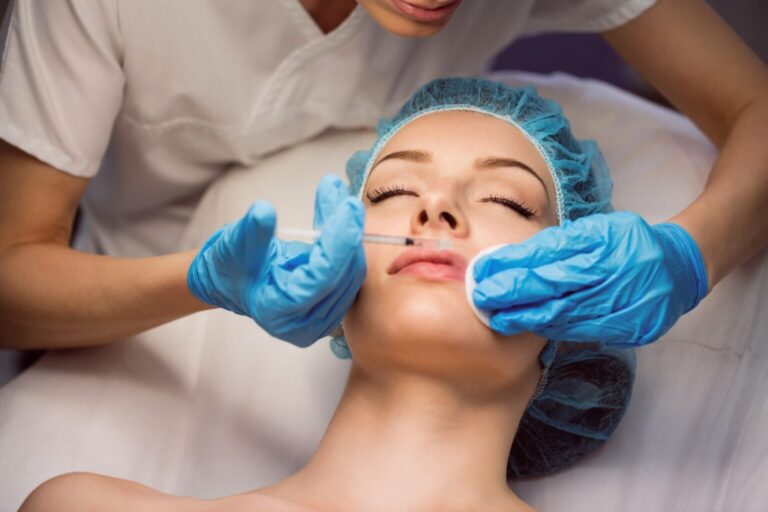
In such cases, structural treatments may be needed. Hyaluronic acid fillers in the tear trough or upper cheek can soften the groove, reducing the shadow when used sparingly and precisely. In more severe cases with prominent bags or significant laxity, surgical options like lower blepharoplasty or fat repositioning may be discussed.
These treatments must be tailored carefully. Overfilling or poor technique can make the area look puffy, uneven, or oddly light.
Safety around under-eye procedures
The under-eye region is delicate and close to vital structures, so safety is crucial. Injections here carry risks of lumps, persistent swelling, or a bluish tint (Tyndall effect) if filler is placed too superficially or in excess. Lasers and peels in this area require accurate assessment of skin thickness, eye bags, and vessel pattern to avoid burns or worsened pigmentation.
Gradual, subtle correction with realistic goals is much safer than aiming for dramatic overnight change. Always ask about the practitioner’s experience with tear troughs and see before-after photos of similar cases.
How a dermatologist chooses between creams and procedures
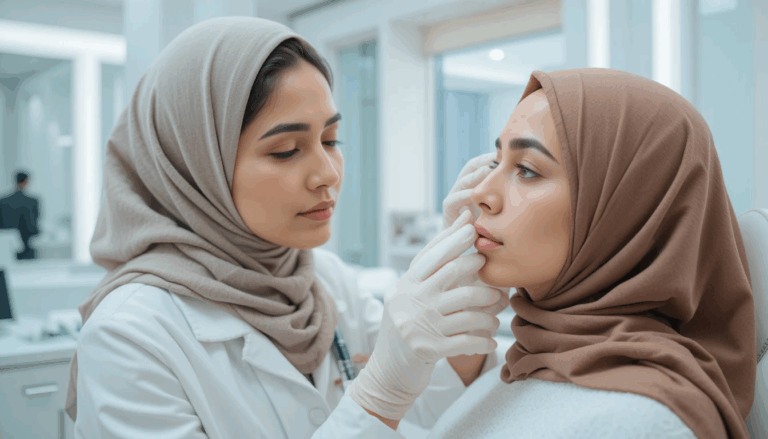
A good plan starts with a full assessment. Type of darkness (pigment, vascular, structural), presence of hollows or eye bags, skin thickness, age, lifestyle, and medical history are all considered.
Often, the best results come from combining approaches: skincare and sun protection for pigmentation and texture, lifestyle changes, plus targeted procedures like fillers or PRP for volume loss or stubborn dark circles. Follow-up visits help track how long results last and decide on maintenance sessions or adjustments.
This personalized approach avoids over-treating the wrong cause and focuses on what will actually help your specific under-eye concern.
When to see a doctor urgently
Not all changes around the eyes are cosmetic. Sudden, one-sided swelling, bruising, or color change without injury should be checked immediately. New under-eye discoloration combined with symptoms like unintended weight loss, extreme fatigue, or other systemic signs may need medical investigation. Persistent rashes, itching, or eczema around the eyes that keep coming back despite over-the-counter creams also deserve professional evaluation.
Getting these assessed promptly protects both your skin and your overall health.
Final thoughts: Stop guessing, get assessed
Under-eye pigmentation and hollows are extremely common and rarely caused by just one factor. Because of this, endlessly trying new eye creams based on random recommendations usually leads to frustration rather than real improvement.
If you’re dealing with stubborn under-eye concerns, consulting the Best Dermatologist in Islamabad can help you get a proper diagnosis and treatment plan. A tailored approach focused on whether your main issue is pigment, hollows, vessels, or a mix can finally point you toward treatments that match your actual problem. For those also interested in laser hair removal in Islamabad, finding a qualified specialist ensures you receive safe, effective treatments across all your skincare needs. That way, you look fresher and more rested while keeping the delicate eye area safe and natural-looking.